Nutmeg
Herb/Spice
Last updated July 5, 2026. The Tummi Food Team maintains this Can I Feed This safety guide guide. Supporting links appear in Sources when available.



Clinically reviewed by Andria Procopio and Arefa Mohamed
Direct answer
Can babies eat Nutmeg?
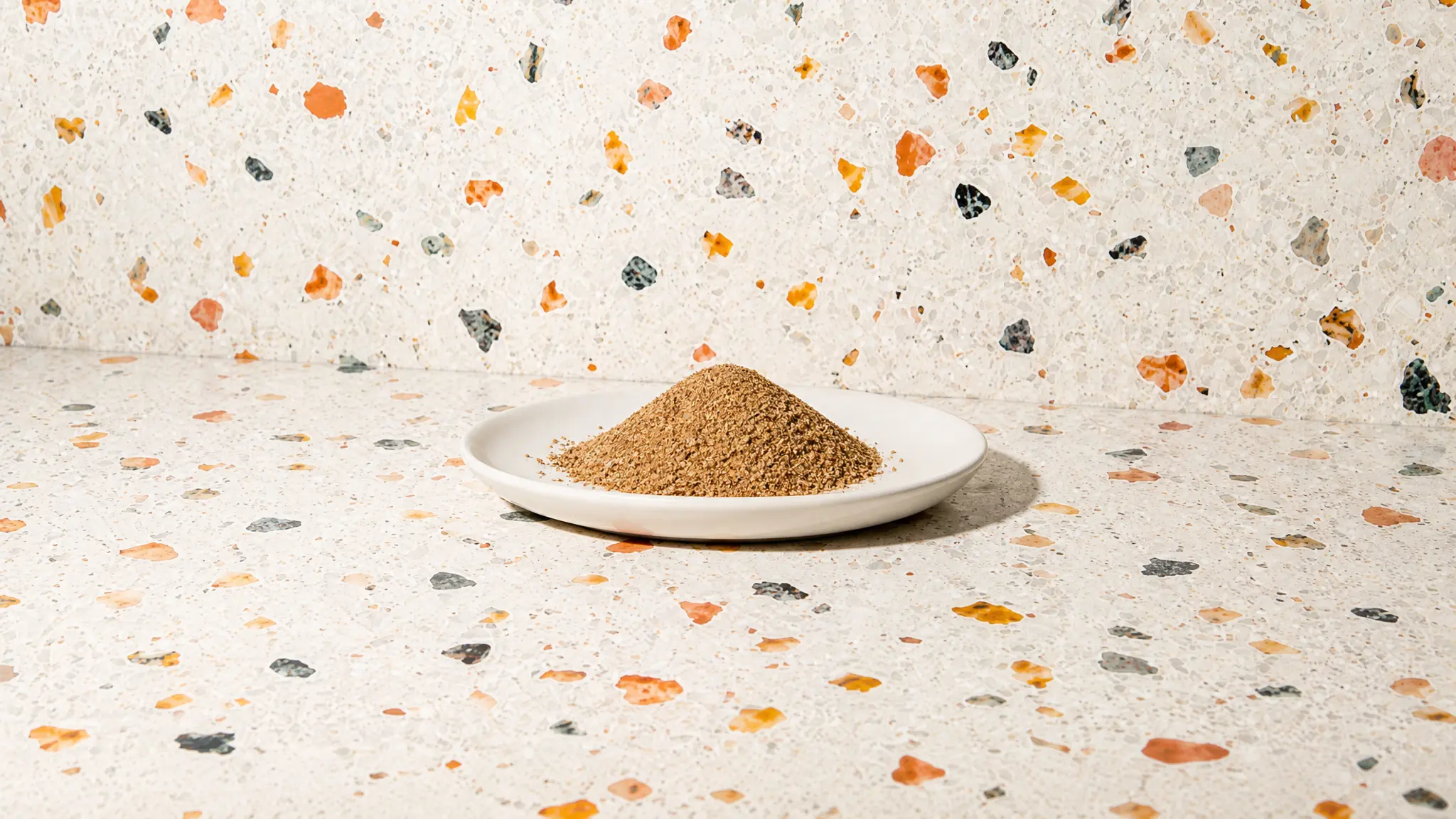
Yes, a small culinary amount of ground nutmeg may be mixed thoroughly into food from around 6 months, once the baby is developmentally ready for complementary foods. Do not offer whole nutmeg or use large amounts because whole, hard foods can cause choking and excessive nutmeg ingestion can cause poisoning.
- Serve Age6+months
Most babies start solids around 6 months once they show readiness signs. Match the texture and serving size to your baby's skills.
- No Allergens
Nutmeg is not flagged as one of the major allergens tracked in this database. Still watch your baby closely when serving any new food.
- Choking Risk123451
Lower choking risk when served in the right texture. Always supervise meals and adjust the shape for your baby.
This guide is for everyday food prep questions. Ask your pediatrician about medical concerns, feeding delays, allergy plans, or serious reactions.
How Do You Serve Nutmeg?
How to serve Nutmeg to babies 6 months and older
- 1Use only a tiny pinch — about a single short shake from a salt-cellar (less than 1/16 teaspoon) — of finely ground nutmeg per serving. Mix thoroughly into warm cereal, pureed fruit, yogurt, or pancake batter.
- 2Start with one prepared serving and wait 48–72 hours before offering nutmeg again to watch for any sensitivity or allergic reaction.
- 3Never give whole nutmeg seeds, grated whole nutmegs, or nutmeg oil; these forms are concentrated and can be harmful in larger amounts.
- 4Avoid adding nutmeg when the child is unwell or taking medications that affect the liver, and consult your pediatrician if you have any concerns.
- 5When using nutmeg for flavor in recipes, keep other seasonings minimal since nutmeg is potent.
How to serve Nutmeg to babies 12 months and older
- 1Use a small pinch (about 1/8–1/4 tsp per serving) of ground nutmeg to add a warm, background flavor—start low.
- 2Stir ground nutmeg into cooked sauces, batters, or mild spice blends so the flavor disperses evenly.
- 3Avoid whole seeds and concentrated forms (essential oils, extracts, nutmeg butter, or teas) because they are much stronger and can be unsafe.
- 4Introduce nutmeg gradually over several meals and wait 48–72 hours while watching for any skin or digestive reactions.
- 5If you notice a rash, vomiting, or unusual behavior, stop using nutmeg and consult your pediatrician.
Is Nutmeg a Common Allergen?
Nutmeg is a seed-derived spice, not a tree nut, and is not one of the common food allergens. True IgE-mediated nutmeg allergy is uncommon, though contact dermatitis or spice sensitivity has been reported in sensitised individuals. Nutmeg is usually used in small amounts and generally tolerated by children, but avoid giving large doses (risk of myristicin toxicity) and monitor anyone with known spice allergies for reactions. If a child has had unexplained reactions to spices or a history of severe food allergy, consult an allergist before introducing nutmeg.
Is Nutmeg a Choking Hazard?
Very Low Choking Risk
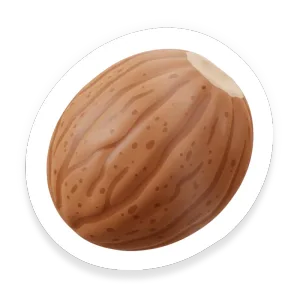
Whole nutmeg is a choking hazard because it’s small, round, and hard and could block a baby’s airway if swallowed. Finely ground nutmeg poses much less of a choking risk, but any small, hard objects are dangerous around young babies. Stay within arm’s reach during feeds so you can respond immediately if a choking event occurs.
Have More Questions?
Yes, a baby who is developmentally ready for complementary foods may have a small culinary amount of ground nutmeg mixed thoroughly into food. Do not offer whole nutmeg or use large amounts because excessive nutmeg ingestion can cause poisoning.
Yes, excessive nutmeg ingestion can cause poisoning, including neurologic and other clinical effects. Use nutmeg only as a ground spice in small culinary amounts mixed into food, and keep whole nutmeg away from children.
No, nutmeg is not one of the nine major food allergens identified by the FDA, but an allergic reaction to nutmeg is still possible. Stop offering it and seek medical advice if the baby develops symptoms of an allergic reaction.
Finely ground nutmeg mixed thoroughly into food is not a typical choking hazard, but whole nutmeg must not be offered to babies because it is hard and could obstruct the airway. Prepare every food in a texture appropriate for the baby's development and supervise eating.
Babies should be offered only a small culinary amount of ground nutmeg mixed thoroughly into food, never whole nutmeg or hard pieces. Whole nutmeg can present a choking hazard, and excessive nutmeg ingestion can cause poisoning.
Save Nutmeg to your food log
Track foods, reactions, and prep notes in Tummi when you want to keep your baby's feeding history in one place.
Sources
- Nutmeg poisonings: a retrospective review of 10 years experience from the Illinois Poison Center, 2001-2011 doi.org
- Nutmeg poisoning: Ten years (2008-2018) of experience from the Marseille Poison Control Center doi.org
- Utilization of Nutmeg (Myristica fragrans Houtt.) Seed Hydrodistillation Time to Produce Essential Oil Fractions with Varied Compositions and Pharmacological Effects doi.org
- Contact allergy to spices doi.org
- Spice allergy evaluated by results of patch tests pubmed.ncbi.nlm.nih.gov
What Other Herb/Spice Can Babies Eat?
See all →


Source-Linked Guidance
See the evidence behind the guide.
Food guides show direct links to public-health guidance and research when supporting references are available. Source inclusion does not imply endorsement.
 Centers for Disease Control and Prevention
Developmental milestones, nutrition guidelines, and allergen introduction timelines.
 American Academy of Pediatrics
Evidence-based feeding recommendations from the leading pediatric authority.
 National Institutes of Health
Peer-reviewed research on infant nutrition, allergies, and food safety.