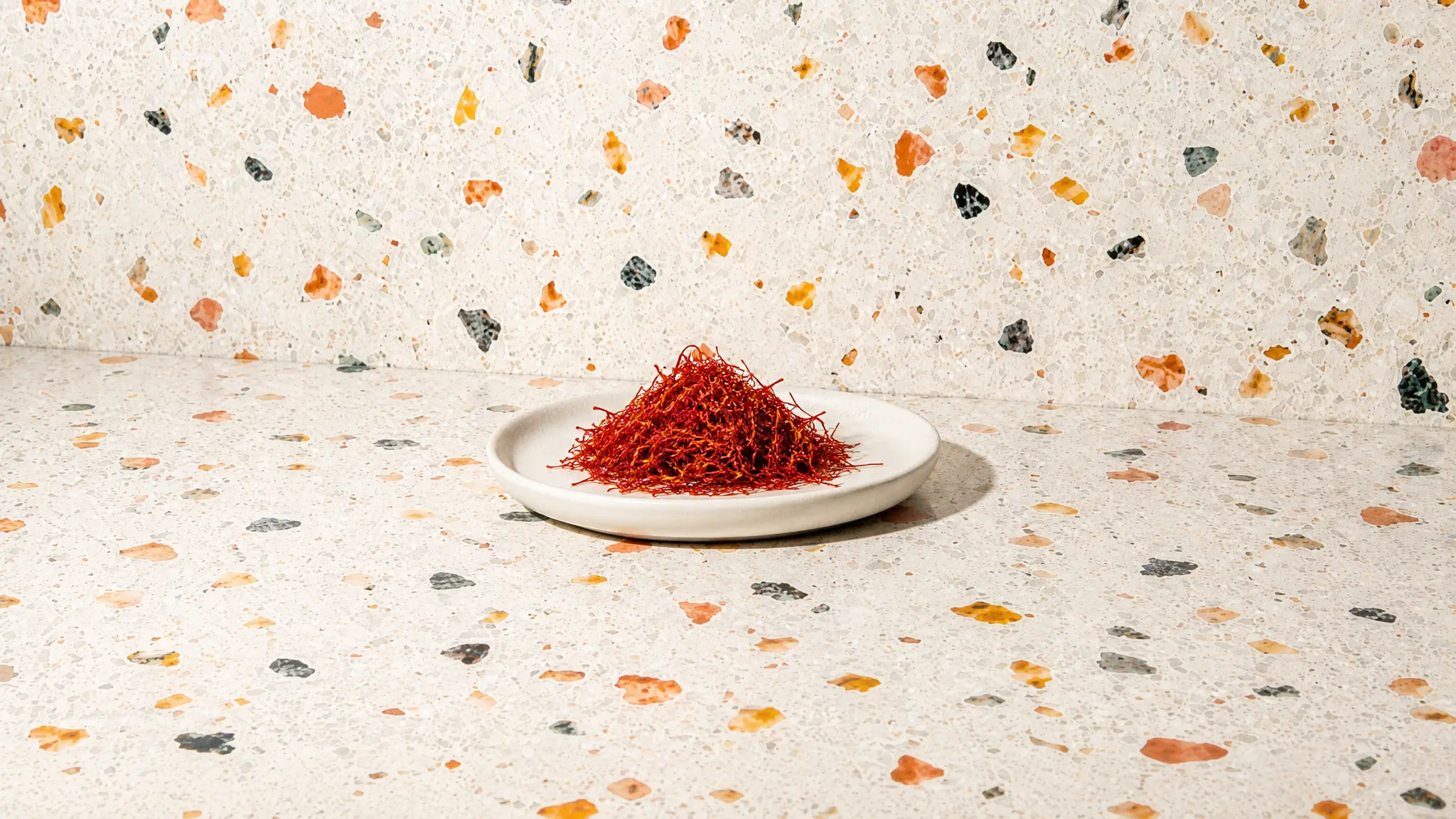
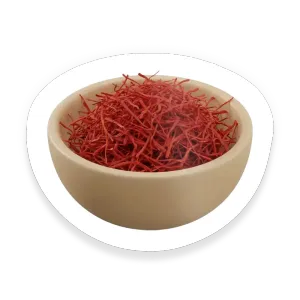
Saffron
Herb/Spice
Last updated July 5, 2026. The Tummi Food Team maintains this Can I Feed This safety guide guide. Supporting links appear in Sources when available.



Clinically reviewed by Andria Procopio and Arefa Mohamed
Direct answer
Can babies eat Saffron?
Yes, saffron can be introduced around 6 months of age in tiny amounts, as it is safe and used in small quantities for flavor and color.
- Serve Age6+months
Most babies start solids around 6 months once they show readiness signs. Match the texture and serving size to your baby's skills.
- No Allergens
Saffron is not flagged as one of the major allergens tracked in this database. Still watch your baby closely when serving any new food.
- Choking Risk123451
Lower choking risk when served in the right texture. Always supervise meals and adjust the shape for your baby.
This guide is for everyday food prep questions. Ask your pediatrician about medical concerns, feeding delays, allergy plans, or serious reactions.
How Do You Serve Saffron?
How to serve Saffron to babies 6 months and older
- 1Use a very small amount — about 1–2 threads — and dissolve them in a teaspoon of warm water, breast milk, or formula to release color and flavor.
- 2Alternatively, grind saffron threads into a fine powder and mix directly into soft foods for even distribution.
- 3Stir the dissolved saffron or powder into purees, mashed vegetables, yogurt, oats, rice, or lentils; warm liquids help extract flavor faster, but do not overheat.
- 4Start with tiny amounts and watch for any reaction; if introducing for the first time, offer a small taste and wait before increasing use.
How to serve Saffron to babies 12 months and older
- 1Grind or steep a small pinch of saffron threads and dissolve them in a spoonful of warm water or milk to release the color and aroma before adding to food.
- 2Stir the dissolved saffron into porridge, rice, puddings, stews, or other family dishes so the flavor is evenly distributed and not concentrated in one spot.
- 3Offer saffron-flavored milk or beverages only occasionally as a treat and never as a replacement for breast milk or formula.
- 4Start with very small amounts and taste as you go; saffron has a strong flavor, so use sparingly to suit a child’s palate.
- 5Observe for any adverse reactions when introducing a new spice and consult your pediatrician if you have concerns.
Is Saffron a Common Allergen?
Saffron is not a common childhood food allergen (like peanut, dairy, egg or shellfish), but allergic reactions have been reported. Sensitised individuals can develop skin, respiratory (rhinitis/asthma) or, rarely, systemic reactions; three saffron proteins (including Cro s 1 and Cro s 2) have been identified as allergens. Use caution with children who have spice or pollen/profilin sensitivities, avoid topical or large-dose exposures, and seek medical advice if any hives, swelling, breathing difficulty, or severe GI symptoms occur.
Is Saffron a Choking Hazard?
Very Low Choking Risk
Overall, saffron poses a low choking risk when used in the small amounts typical in cooking, but any intact threads or clumps could present a choking hazard for young children. As with any new food, supervise your baby at mealtimes and keep them seated upright and within arm’s reach. Know the signs of choking and how to respond—seek immediate medical help if your child is choking.
Have More Questions?
Yes. Saffron can be introduced to babies around 6 months old and used in cooking because only a tiny pinch is needed to flavor and color food.
Yes. Saffron contains antioxidants that support immune health and cell protection, making it generally healthy for babies when used in small amounts.
No. Allergies to saffron are rare, but some individuals may react; however, saffron is not considered a common allergen for babies.
No. Saffron poses a low choking risk when prepared appropriately for a baby’s developmental stage and eaten in age-appropriate forms.
Yes, saffron can be used in solid foods as an ingredient, but wait until after the first birthday to regularly offer saffron milk so it doesn't replace essential breast milk or formula.
Save Saffron to your food log
Track foods, reactions, and prep notes in Tummi when you want to keep your baby's feeding history in one place.
Sources
- Saffron (Crocus sativus L.): A Source of Nutrients for Health and for the Treatment of Neuropsychiatric and Age-Related Diseases (Nutrients, 2022) doi.org
- Natural Medicines Database — Saffron naturalmedicines.therapeuticresearch.com
- Clinical applications of saffron (Crocus sativus) and its constituents: A review (Drug Res, 2015) doi.org
- Anaphylaxis to saffron (Allergy, 1997) doi.org
- Occupational allergy in saffron workers (Allergy, 1997) doi.org
- Spices and food allergy (Kids With Food Allergies) kidswithfoodallergies.org
- Can Spices Cause an Allergic Reaction? (American Academy of Allergy, Asthma & Immunology) aaaai.org
What Other Herb/Spice Can Babies Eat?
See all →
Source-Linked Guidance
See the evidence behind the guide.
Food guides show direct links to public-health guidance and research when supporting references are available. Source inclusion does not imply endorsement.
 Centers for Disease Control and Prevention
Developmental milestones, nutrition guidelines, and allergen introduction timelines.
 American Academy of Pediatrics
Evidence-based feeding recommendations from the leading pediatric authority.
 National Institutes of Health
Peer-reviewed research on infant nutrition, allergies, and food safety.