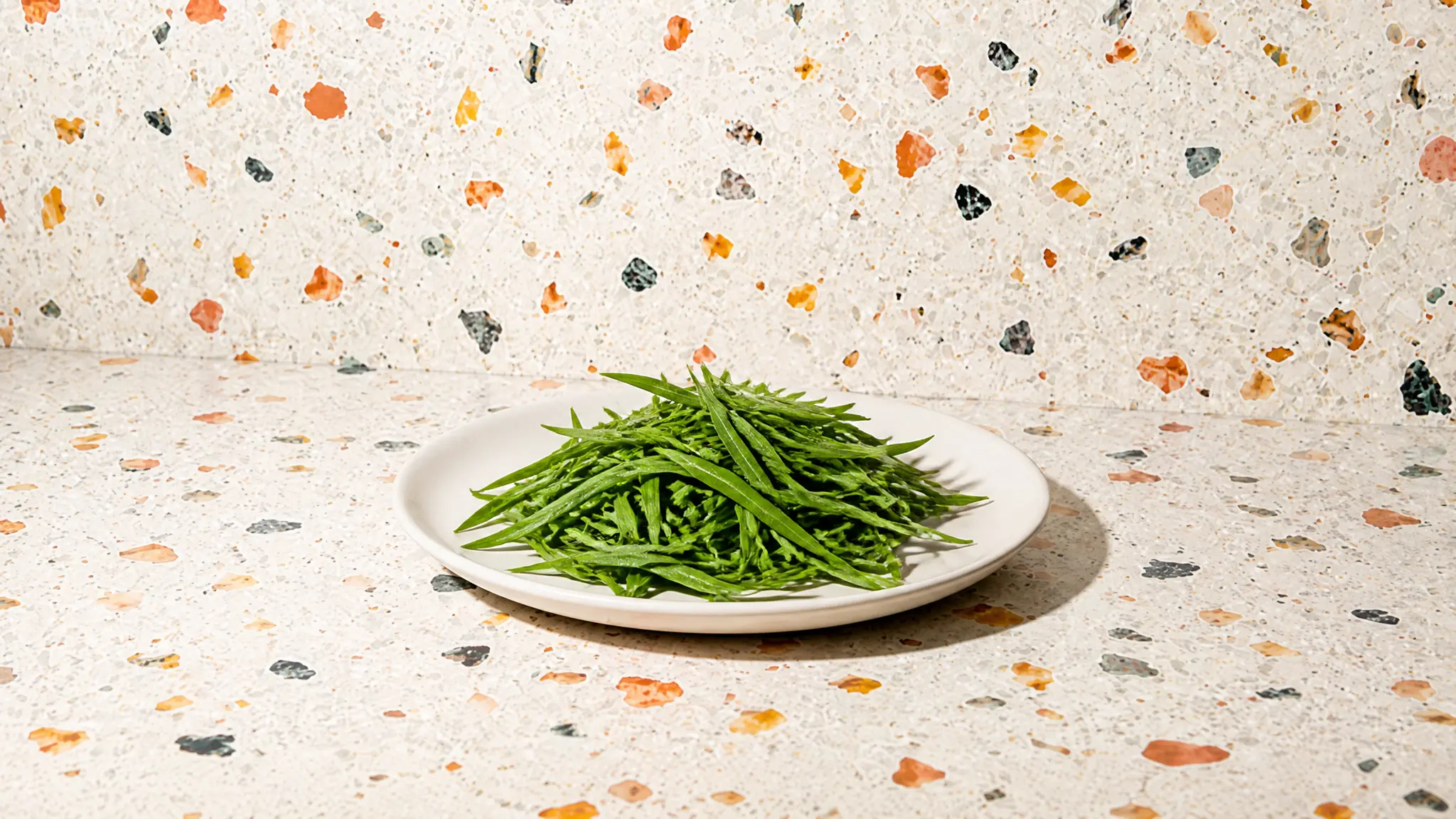
Tarragon
Herb/Spice
Last updated July 5, 2026. The Tummi Food Team maintains this Can I Feed This safety guide guide. Supporting links appear in Sources when available.



Clinically reviewed by Andria Procopio and Arefa Mohamed
Direct answer
Can babies eat Tarragon?
Yes, tarragon can be introduced around 6 months when starting solids, but in small amounts and ensuring it's well washed and chopped finely.
- Serve Age6+months
Most babies start solids around 6 months once they show readiness signs. Match the texture and serving size to your baby's skills.
- No Allergens
Tarragon is not flagged as one of the major allergens tracked in this database. Still watch your baby closely when serving any new food.
- Choking Risk123451
Lower choking risk when served in the right texture. Always supervise meals and adjust the shape for your baby.
This guide is for everyday food prep questions. Ask your pediatrician about medical concerns, feeding delays, allergy plans, or serious reactions.
How Do You Serve Tarragon?
How to serve Tarragon to babies 6 months and older
- 1Remove stems and finely chop the tarragon leaves; stir them into purees, mashed vegetables, or stews so the herb is evenly distributed and easy to swallow.
- 2For a mild sauce, puree leaves with a small amount of neutral oil until completely smooth and use a light amount to avoid overpowering the dish.
- 3If using dried or powdered tarragon, start with a pinch — dried herbs are more concentrated, so add slowly and taste as you go.
- 4When introducing tarragon for the first time, offer a very small amount and watch for any adverse reactions, and always ensure pieces are fully blended to reduce choking risk.
How to serve Tarragon to babies 12 months and older
- 1Use fresh, dried, or powdered tarragon the same way you would in family meals—start with a small amount and taste as you go.
- 2Add fresh leaves near the end of cooking or sprinkle over finished dishes to keep their delicate flavor and texture; leave a few whole tender leaves if your child enjoys a little chew.
- 3If you used a large, woody sprig to infuse flavor, always remove and discard it before serving to avoid tough or unexpected pieces.
- 4For dried or powdered tarragon, stir it thoroughly into sauces, purees, or dressings so no large flakes remain, and use milder amounts than you would for adults.
Is Tarragon a Common Allergen?
Tarragon is not a common food allergen and allergic reactions are uncommon, but they can occur—especially in people already sensitized to related plants (Asteraceae family, e.g., ragweed or chamomile). Cross‑reactivity with pollen-associated food allergies has been reported, so watch for mouth or throat itching, hives, swelling, or breathing problems after tasting. Small amounts used in cooking are low risk for most children, but introduce new herbs slowly and avoid if your child has known ragweed/related herb allergies or a history of severe allergic reactions; consult your pediatrician or an allergist if you have concerns.
Is Tarragon a Choking Hazard?
Very Low Choking Risk
Tarragon presents a low choking risk for babies overall, but whole sprigs or large leaves could cause gagging or obstruction. Always supervise your baby closely at mealtimes and stay within arm’s reach. Watch for signs of coughing, choking, or difficulty breathing and be prepared to respond if needed.
Have More Questions?
Yes, tarragon can be stored in a sealed container in the refrigerator for up to a week or frozen for longer storage, making it convenient to use in small amounts.
Yes, pureed tarragon can be frozen in ice cube trays and then transferred to a sealed bag, allowing easy portioning and preservation for multiple servings.
Yes, organic tarragon is often grown without synthetic pesticides or fertilizers, making it a good choice for health-conscious parents looking to reduce chemical exposure.
Yes, tarragon can be combined with other herbs or mild vegetables to create flavorful, varied meals for babies, helping to develop their palate.
Yes, the typical portion size for a baby’s seedling tarragon intake varies, but generally, a small pinch or a few leaves finely chopped is appropriate for very young babies, adjusting as they grow.
Save Tarragon to your food log
Track foods, reactions, and prep notes in Tummi when you want to keep your baby's feeding history in one place.
Sources
- Artemisia dracunculus (Tarragon): A Review of Its Traditional Uses, Phytochemistry and Pharmacology (Frontiers in Pharmacology, 2021) frontiersin.org
- Essential oil of tarragon (Artemisia dracunculus) antibacterial activity on Staphylococcus aureus and Escherichia coli in culture media and Iranian white cheese (Iranian Journal of Microbiology, 2012) pmc.ncbi.nlm.nih.gov
- Natural Medicines Database — Tarragon naturalmedicines.therapeuticresearch.com
What Other Herb/Spice Can Babies Eat?
See all →

Source-Linked Guidance
See the evidence behind the guide.
Food guides show direct links to public-health guidance and research when supporting references are available. Source inclusion does not imply endorsement.
 Centers for Disease Control and Prevention
Developmental milestones, nutrition guidelines, and allergen introduction timelines.
 American Academy of Pediatrics
Evidence-based feeding recommendations from the leading pediatric authority.
 National Institutes of Health
Peer-reviewed research on infant nutrition, allergies, and food safety.