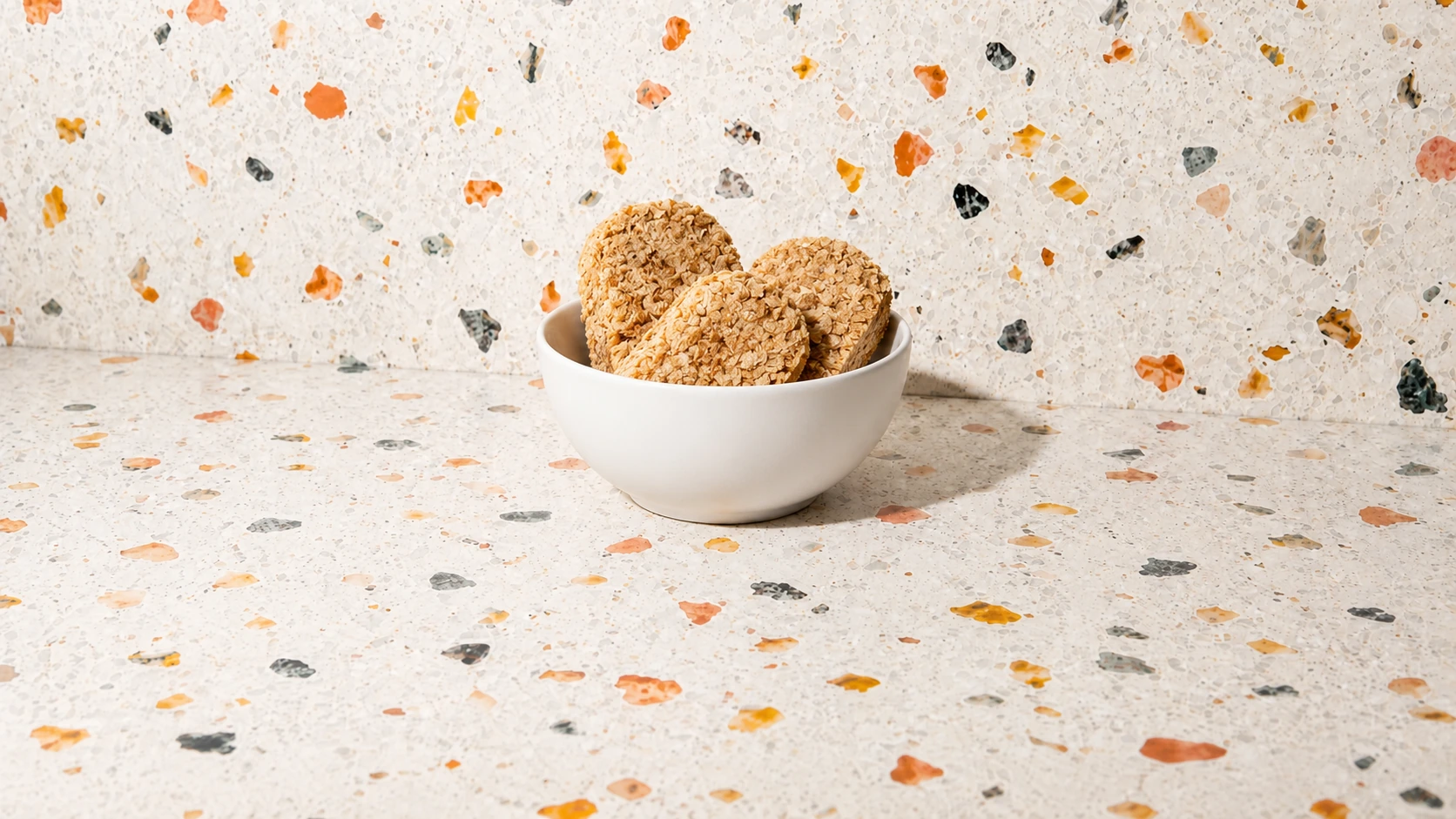
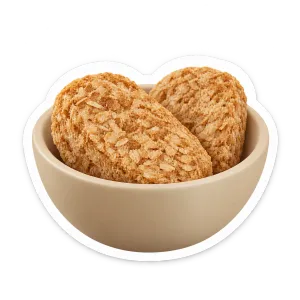
Weetabix
Grain
Updated . The Tummi Food Team maintains this Can I Feed This safety guide. Supporting links appear in Sources when available.



Tummi clinical advisors: Andria Procopio, M.S. OTR/L, CHHC, and Arefa Mohamed, M.A., CCC-SLP, TSSLD
Pediatric feeding specialists who reviewed the Tummi app
Direct answer
Can babies eat Weetabix?
Babies can try plain Weetabix from around 6 months, once ready for solids, with the cereal fully soaked and mashed. It contains wheat and gluten.
- Serve Age6+months
Most babies start solids around 6 months once they show readiness signs. Match the texture and serving size to your baby's skills.
- Allergens
Weetabix is flagged for wheat or gluten. Introduce common allergens in a baby-safe form and follow your clinician's advice if your baby is higher risk.
- Choking Risk123451
Lower choking risk when served in the right texture. Always supervise meals and adjust the shape for your baby.
This guide is for everyday food prep questions. Ask your pediatrician about medical concerns, feeding delays, allergy plans, or serious reactions.
How Do You Serve Weetabix?
How to serve Weetabix to babies 6 months and older
- 1Crush plain Weetabix and add water, breast milk or infant formula prepared according to its instructions. Let it soak, then mash until every part is soft and moist.
- 2Aim for a loose, spoonable porridge with no firm pieces. Add more liquid as needed; it can thicken while sitting.
- 3Offer a little on a preloaded spoon or let your baby scoop with their hands. Check that it is cool or comfortably warm before serving.
How to serve Weetabix to babies 12 months and older
- 1Break up the cereal and soften it with water or a suitable milk your child already tolerates. Check that there are no hard chunks.
- 2Offer it in a bowl with a spoon. A coarser texture is fine when your child manages it comfortably; keep the cereal moist and easy to mash.
- 3For variety, stir in familiar mashed fruit or use crushed cereal in soft pancakes or muffins. Serve baked foods in shapes and textures your child can manage.
How to serve Weetabix to babies 18 months and older
- 1Keep offering softened Weetabix as a spoonable breakfast.
- 2Try a small amount of finely crushed cereal stirred into plain yogurt, soft cooked fruit or warm porridge so the crumbs moisten. Use foods your child already tolerates.
- 3Crushed cereal also works in soft baked goods. Continue checking the texture and supervising meals; reaching this age does not make large, dry pieces suitable.
Is Weetabix Healthy for Babies?
Plain fortified Weetabix provides whole-grain carbohydrates, fiber, added iron and B vitamins. The UK Original recipe contains 12 mg of iron and 10 g of fiber per 100 g of dry cereal; these are label values, not a recommended baby portion. Fortification varies by product and country, so check your box. Offer it alongside a variety of foods and choose plain versions with less added sugar and salt.
Is Weetabix a Common Allergen?
Weetabix Original contains wheat and malted barley extract. Wheat is a common allergen; both grains contain gluten. This product is unsuitable for a child with wheat allergy or celiac disease. Check the exact package for other allergens, including in flavored varieties. Introduce new allergens one at a time in small amounts, and use familiar foods for mixing. If your baby has a diagnosed allergy or has reacted to wheat, ask their clinician before offering it.
Is Weetabix a Choking Hazard?
Very Low Choking Risk
A dry Weetabix biscuit or a firm broken piece can be difficult to manage and poses a choking risk. For babies, crush, soak and mash the cereal until no dry or firm center remains. Add more liquid if it thickens. Keep your child seated upright and stay close throughout the meal. No preparation removes all choking risk.
More Questions About Weetabix
Save Weetabix to your food log
Track foods, reactions, and prep notes in Tummi when you want to keep your baby's feeding history in one place.
Sources
- Weetabix — Original ingredients and nutrition weetabix.co.uk
- NHS — Your baby's first solid foods nhs.uk
- NHS — Introducing foods that could trigger an allergic reaction nhs.uk
- FARE — Wheat allergy foodallergy.org
- NHS — Foods and drinks to avoid nhs.uk
- NHS — Preparing food safely nhs.uk
- NIH Office of Dietary Supplements — Iron ods.od.nih.gov
Foods Similar to Weetabix
See all →
Source-Linked Guidance
See the evidence behind the guide.
Food guides show direct links to public-health guidance and research when supporting references are available. Source inclusion does not imply endorsement.
 Centers for Disease Control and Prevention
Developmental milestones, nutrition guidelines, and allergen introduction timelines.
 American Academy of Pediatrics
Evidence-based feeding recommendations from the leading pediatric authority.
 National Institutes of Health
Peer-reviewed research on infant nutrition, allergies, and food safety.