
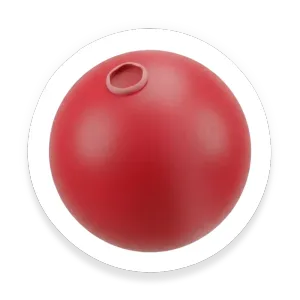
Cranberry
Fruit
Last updated July 5, 2026. The Tummi Food Team maintains this Can I Feed This safety guide guide. Supporting links appear in Sources when available.



Clinically reviewed by Andria Procopio and Arefa Mohamed
Direct answer
Can babies eat Cranberry?
Cranberries can be introduced around 6 months once your baby is developmentally ready for complementary foods. Cook them until soft, then mash or purée them; do not offer whole raw cranberries because uncut berries and hard raw fruit can be choking hazards.
- Serve Age6+months
Most babies start solids around 6 months once they show readiness signs. Match the texture and serving size to your baby's skills.
- No Allergens
Cranberry is not flagged as one of the major allergens tracked in this database. Still watch your baby closely when serving any new food.
- Choking Risk123455
Higher choking risk. Watch the prep steps closely, especially because this food can be small and round, hard, and slippery.
This guide is for everyday food prep questions. Ask your pediatrician about medical concerns, feeding delays, allergy plans, or serious reactions.
How Do You Serve Cranberry?
How to serve Cranberry to babies 6 months and older
- 1Cook cranberries until they soften and burst, then mash or purée to a smooth, scoopable texture — thin with breastmilk, formula, or water if too thick.
- 2Fold the cooled purée into warm cereals, ricotta, or yogurt to add flavor and moisture without creating lumps.
- 3For pancakes, waffles, or baked goods, use cooked cranberries that are finely chopped or puréed so heat tenderizes them. Remove or mash any large pieces before serving.
- 4Always cool to a safe temperature and check texture and piece size to avoid choking; avoid adding honey and limit added sugar.
How to serve Cranberry to babies 9 months and older
- 1Cook cranberries until soft and bursting, then mash lightly and mix into yogurt, oatmeal, or applesauce to create a scoopable texture.
- 2For finger practice, press cooked or very-softened raw berries into thin, coin-sized discs so baby can pick them up with a developing pincer grasp.
- 3If serving raw, always flatten completely and mash to remove any whole pieces and reduce choking risk; check each piece before offering.
- 4Expect some spitting at first because cranberries are tart—continue offering cranberry-containing baked goods or mixed foods as baby adjusts.
How to serve Cranberry to babies 24 months and older
- 1Serve cooked cranberries, cranberry sauces, or baked cranberry items freely — offer small spoonfuls or mix into yogurt or cereal so textures are softer and easier to manage.
- 2For baked goods, cut into small, manageable pieces and check that berries are soft or broken up to reduce large chunks.
- 3Gradually reduce mashing as the child’s chewing improves to encourage independent chewing. Model crushing with the molars by demonstrating how to flatten a berry before offering larger pieces.
- 4Only offer whole raw cranberries when the child reliably chews and does not stuff their mouth; always supervise closely and show the crushing motion first.
Is Cranberry a Common Allergen?
Most people are not allergic to cranberries, but children with pollen allergies can get mild oral allergy syndrome (itchy mouth/throat) from fresh berries. Dried or processed cranberries may contain sulfite preservatives, which can trigger asthma-like or other reactions in sulfite‑sensitive individuals. Packaged cranberry products can also include added ingredients or be processed near nuts, dairy, or soy—always read labels. If your child has asthma, pollen allergies, or a known sulfite sensitivity, check labels and consult your pediatrician before offering concentrated or processed cranberry products.
Is Cranberry a Choking Hazard?
High Choking Risk
Cranberries are small, round, and very firm, which increases the risk of choking for infants and young toddlers. Always stay within arm’s reach and closely supervise mealtimes, and be alert for gagging or signs of choking. Make sure you and caregivers know basic infant choking first aid before offering cranberries.
Have More Questions?
Yes, cranberry purée or sauce can be frozen for later use. Freeze freshly prepared food promptly in clean, covered containers and thaw only the amount needed.
Yes. Pureed cranberries can be frozen in ice cube trays and transferred to a sealed bag for easy portioning and convenient feeding later on.
Either organic or conventional cranberries can be offered to your baby. Wash fresh cranberries thoroughly under running water before preparing or serving them.
Yes. Cranberries can be combined with other baby foods such as applesauce or sweet potatoes to diversify flavors and textures when introducing new foods to your baby.
There is no single recommended cranberry portion for every baby. Offer a small amount in a developmentally appropriate form and let your baby decide how much to eat by following their hunger and fullness cues.
Save Cranberry to your food log
Track foods, reactions, and prep notes in Tummi when you want to keep your baby's feeding history in one place.
Sources
- Salicylate allergy – a 30 year perspective (Allergy New Zealand) allergy.org.nz
- Natural Medicines Database (Therapeutic Research) naturalmedicines.therapeuticresearch.com
- Are Cranberries Healthy? 6 Surprising Benefits (Cleveland Clinic) health.clevelandclinic.org
- Sulfite Allergy & Sensitivity (Cleveland Clinic) my.clevelandclinic.org
- WHO Guideline for complementary feeding of infants and young children 6–23 months of age (WHO) who.int
- Sugar in Infants, Children and Adolescents: A Position Paper (Journal of Pediatric Gastroenterology and Nutrition) doi.org
What Other Fruit Can Babies Eat?
See all →




Source-Linked Guidance
See the evidence behind the guide.
Food guides show direct links to public-health guidance and research when supporting references are available. Source inclusion does not imply endorsement.
 Centers for Disease Control and Prevention
Developmental milestones, nutrition guidelines, and allergen introduction timelines.
 American Academy of Pediatrics
Evidence-based feeding recommendations from the leading pediatric authority.
 National Institutes of Health
Peer-reviewed research on infant nutrition, allergies, and food safety.