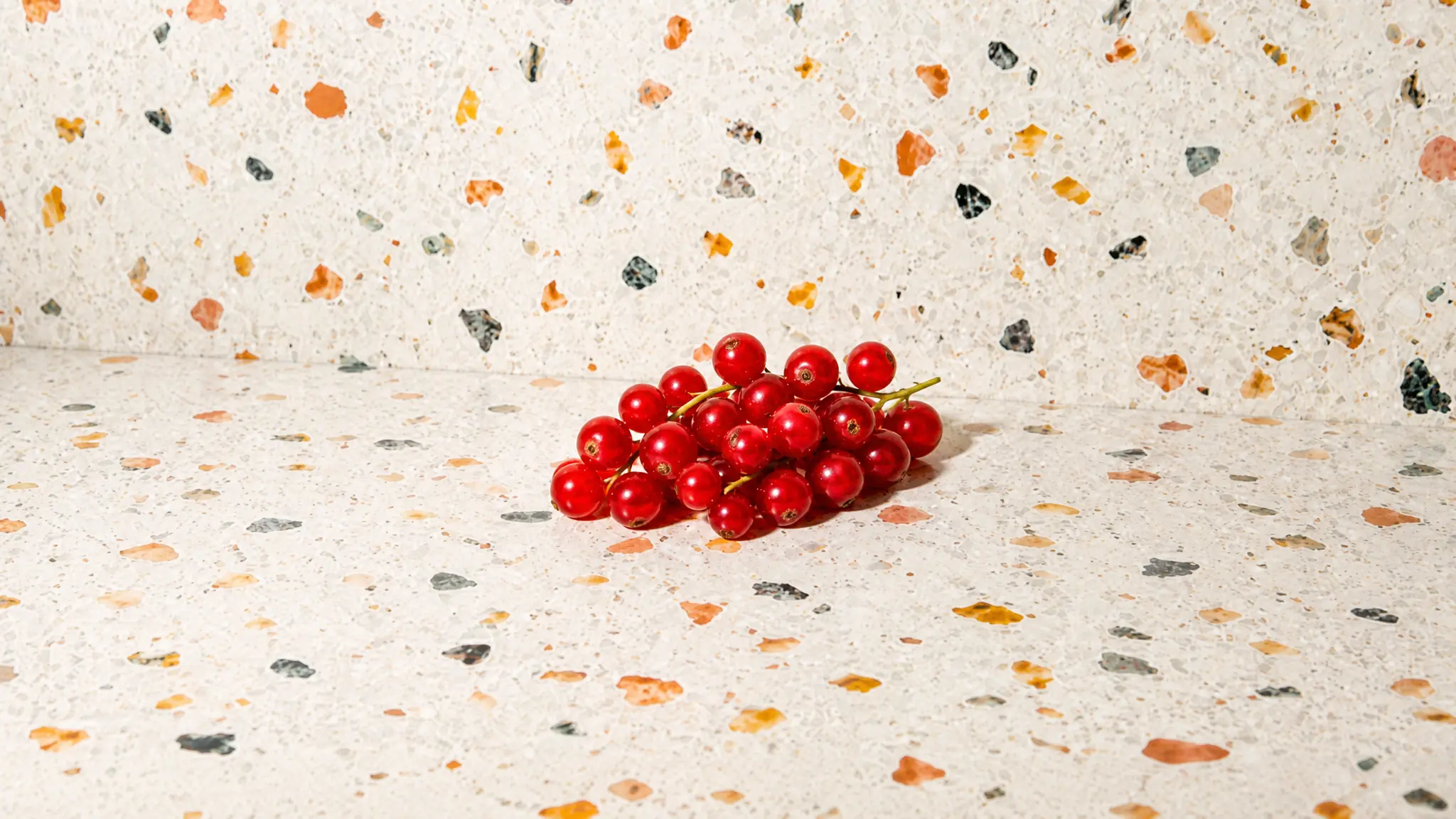
Currants
Fruit
Last updated July 5, 2026. The Tummi Food Team maintains this Can I Feed This safety guide guide. Supporting links appear in Sources when available.



Clinically reviewed by Andria Procopio and Arefa Mohamed
Direct answer
Can babies eat Currants?
Yes, babies can eat cooked or crushed currants starting around 6 months when they are ready for solids.
- Serve Age6+months
Most babies start solids around 6 months once they show readiness signs. Match the texture and serving size to your baby's skills.
- No Allergens
Currants is not flagged as one of the major allergens tracked in this database. Still watch your baby closely when serving any new food.
- Choking Risk123454
Higher choking risk. Watch the prep steps closely, especially because this food can be small and round and slippery.
This guide is for everyday food prep questions. Ask your pediatrician about medical concerns, feeding delays, allergy plans, or serious reactions.
How Do You Serve Currants?
How to serve Currants to babies 6 months and older
- 1Cook or crush currants until fully soft and burst — simmer 2–5 minutes or mash until smooth. Remove seeds if possible to avoid chewy bits.
- 2Fold into scoopable foods like porridge, yogurt, or mashed banana to create a smooth, easy-to-eat texture.
- 3Start with a small amount (about one teaspoon) and wait to watch for any sensitivity before offering more.
- 4Let mixtures cool to lukewarm, serve on a spoon, and always supervise during meals to reduce choking risk.
How to serve Currants to babies 9 months and older
- 1Rinse currants, remove stems and any soft or damaged berries, then gently flatten each currant into a thin disc so baby can pick it up with a developing pincer grasp.
- 2Scatter the flattened currants across the tray (don’t pile) to slow intake and encourage picking one piece at a time.
- 3For a softer option, cook or crush currants and mix into porridge, yogurt, or mashed fruit to reduce choking risk and make them easier to swallow.
- 4Always stay within arm’s reach while baby eats and offer small amounts to start; watch for reactions when introducing a food for the first time.
How to serve Currants to babies 12 months and older
- 1Offer whole, fresh currants only when your child reliably chews and does not pack food in their mouth.
- 2Start with a single berry and demonstrate how to crush it with teeth before letting them try.
- 3Place berries apart on the plate and give small amounts at a time to prevent shoveling and reduce choking risk.
- 4Stay within arm’s reach to supervise; if you’re unsure, serve mashed or finely chopped currants instead.
Is Currants a Common Allergen?
Currants themselves are not a common source of the major allergens (peanut, tree nuts, soy, gluten, fish, shellfish, dairy, egg, sesame). However, dried currants may be treated with sulfites and some products are processed in facilities that handle tree nuts or other allergens, so check packaging for sulfite declarations and cross-contact warnings. For unpackaged or bulk currants, confirm handling to avoid cross-contact. When in doubt, read labels and contact the manufacturer.
Is Currants a Choking Hazard?
Elevated Choking Risk
Currants are small, round, and slippery—qualities that make them a notable choking hazard for babies. Parents should be aware of this risk, stay within arm’s reach during meals, and closely watch for any gagging or choking. If you’re concerned your child isn’t reliably chewing yet, talk with your pediatrician for personalized guidance.
Have More Questions?
Yes, raw currants can be offered after washing if they are mashed or crushed to an appropriate texture. Do not offer currants whole or uncut, and supervise your baby while they eat.
Organic currants are not automatically a better choice for a baby. Whether you choose organic or conventional currants, wash them thoroughly under running water and mash or crush them instead of serving them whole.
Yes. You can store cooked or pureed currants in an airtight container in the refrigerator for up to 3 days or freeze in portions for longer storage.
Yes, currants can be mixed with other foods after being prepared in a texture appropriate for your baby. When your baby is first starting solids, introducing foods individually can make it easier to notice reactions before combining them.
Offer a small amount of prepared currants and let your baby’s hunger and fullness cues guide whether to offer more. The amount eaten can vary with age and appetite.
Save Currants to your food log
Track foods, reactions, and prep notes in Tummi when you want to keep your baby's feeding history in one place.
Sources
- Health-promoting effects of bioactive compounds in blackcurrant (Ribes nigrum L.) Berries doi.org
- The Bioaccessibility of Antioxidants in Black Currant Puree after High Hydrostatic Pressure Treatment doi.org
- Currant allergy and the Rosaceae-grass pollen allergy syndrome: a case report doi.org
- Oral Allergy Syndrome: An Update for Stomatologists doi.org
- Sugar in Infants, Children and Adolescents: A Position Paper of the ESPGHAN Committee on Nutrition doi.org
- Oral Allergy Syndrome (OAS) or Pollen Fruit Syndrome (PFS) aaaai.org
What Other Fruit Can Babies Eat?
See all →

Source-Linked Guidance
See the evidence behind the guide.
Food guides show direct links to public-health guidance and research when supporting references are available. Source inclusion does not imply endorsement.
 Centers for Disease Control and Prevention
Developmental milestones, nutrition guidelines, and allergen introduction timelines.
 American Academy of Pediatrics
Evidence-based feeding recommendations from the leading pediatric authority.
 National Institutes of Health
Peer-reviewed research on infant nutrition, allergies, and food safety.