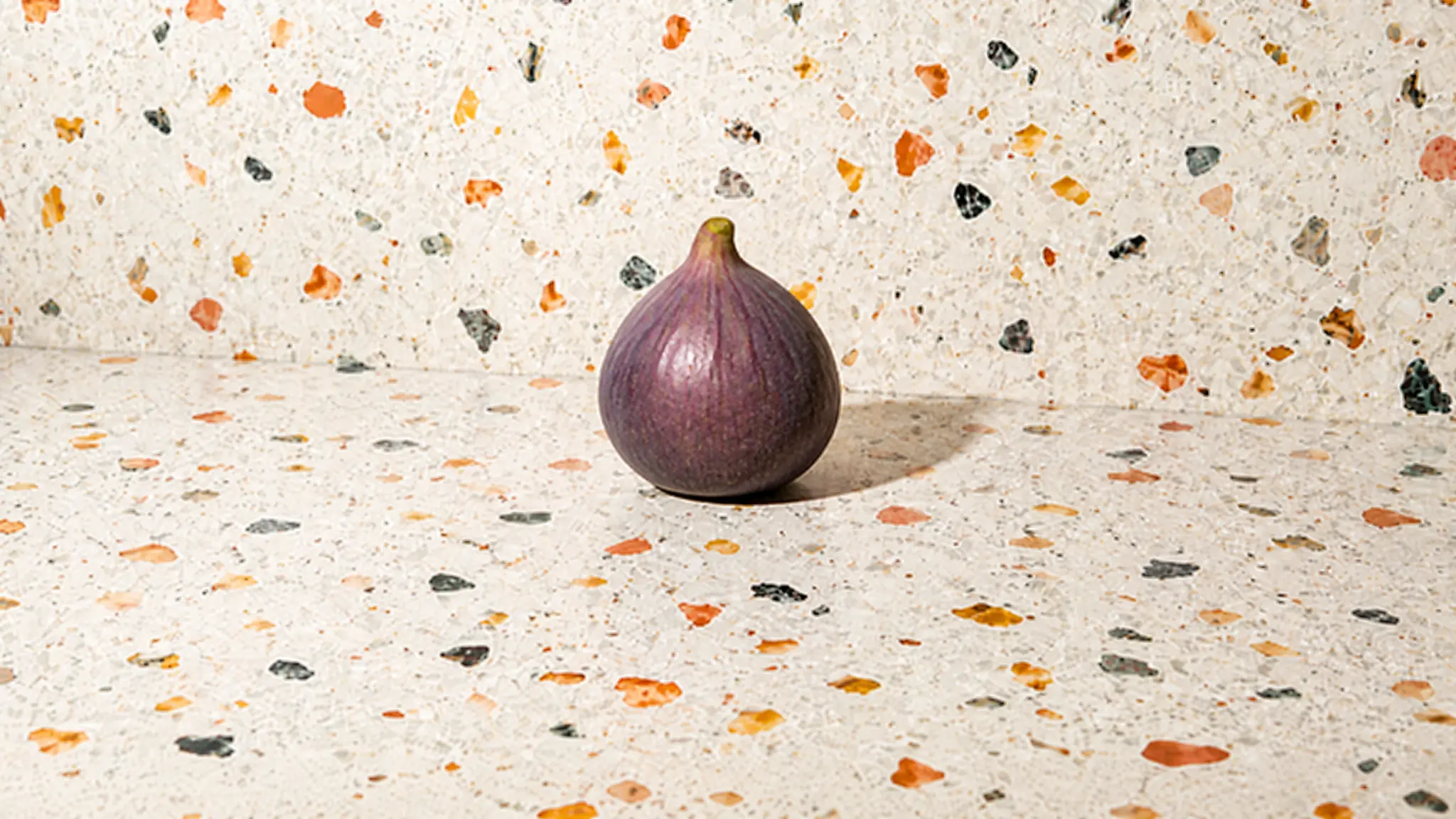
Fig
Fruit
Last updated July 5, 2026. The Tummi Food Team maintains this Can I Feed This safety guide guide. Supporting links appear in Sources when available.



Clinically reviewed by Andria Procopio and Arefa Mohamed
Direct answer
Can babies eat Fig?
Yes, fresh figs can be introduced around 6 months, prepared in an age-appropriate, soft form to reduce choking risk.
- Serve Age6+months
Most babies start solids around 6 months once they show readiness signs. Match the texture and serving size to your baby's skills.
- No Allergens
Fig is not flagged as one of the major allergens tracked in this database. Still watch your baby closely when serving any new food.
- Choking Risk123451
Lower choking risk when served in the right texture. Always supervise meals and adjust the shape for your baby.
This guide is for everyday food prep questions. Ask your pediatrician about medical concerns, feeding delays, allergy plans, or serious reactions.
How Do You Serve Fig?
How to serve Fig to babies 6 months and older
- 1Choose very ripe figs: the skin should be soft and the fruit should yield when gently pressed — this ensures a sweeter, easier texture.
- 2Wash, remove the stem, then cut into very small pieces (about 1/4 inch) or cut lengthwise and split into tiny strips; only offer larger halves if the fig is so soft it easily mashes between your thumb and finger.
- 3For extra safety, peel and mash the flesh or stir it into oatmeal, yogurt, or ricotta to create a smooth or slightly lumpy texture that reduces choking risk.
- 4Always feed with the child sitting upright, offer one small piece at a time, and stay within arm's reach while they manage each bite.
How to serve Fig to babies 9 months and older
- 1Remove the stem and cut ripe, soft figs lengthwise into quarters, or offer large soft halves to let the child practice biting and tearing.
- 2Serve pieces on their own or stirred into warm cereal, yogurt, or porridge for easier eating.
- 3Only use fully ripe, soft figs — press easily between thumb and finger to check; discard firmer fruit to reduce choking risk.
- 4Always supervise during meals and cut larger or slippery pieces into smaller, manageable sizes if needed.
How to serve Fig to babies 24 months and older
- 1Wash the fig and remove the stem before serving.
- 2Offer a very ripe, soft fig while seated and demonstrate twisting off the stem and taking small, supervised bites—closely supervise until the child shows safe chewing.
- 3If needed, cut into halves, quarters, or small bite-sized pieces to make chewing easier and reduce choking risk.
- 4Avoid dried figs and firmer textures until chewing is well established; if the skin seems tough, slice thin or peel to soften.
Is Fig a Common Allergen?
Figs are not one of the common top-9 food allergens and most children tolerate them. However, figs can trigger oral allergy syndrome (itching/tingling in the mouth or throat) in people sensitized to certain pollens, and rare systemic reactions have been reported. Figs may also cross-react in people with latex‑fruit syndrome. When using dried or packaged figs, check labels for added preservatives (e.g., sulfites) and possible cross-contact with nuts or other allergens.
Is Fig a Choking Hazard?
Low Choking Risk
Figs can be a choking hazard—underripe or dried figs are especially firm and hard to chew, which raises the risk. Keep baby seated and within arm’s reach during mealtimes, watch closely for signs of coughing, gagging, or distress, and be ready to intervene. Refresh your knowledge of infant choking signs and basic first-aid so you can act quickly if needed.
Have More Questions?
It depends. Most babies can have figs around 6 months when they start solids, but always introduce new foods gradually and watch for reactions.
Yes. Figs are nutritious and can support your baby's development, but they should be served in an appropriate texture and size for safety.
It depends. Fig allergies are rare but possible, especially in individuals sensitive to latex or pollen, so monitor your baby for any reactions.
Yes. Because figs can be firm and chewy, they pose a choking risk if not prepared properly for babies.
No. Dried figs are too firm and pose a choking risk; if used in recipes, rehydrate and mince before serving.
Save Fig to your food log
Track foods, reactions, and prep notes in Tummi when you want to keep your baby's feeding history in one place.
Sources
- Antioxidant activities and anthocyanin content of fresh fruits of common fig (Ficus carica L.) doi.org
- Review on fresh and dried figs: Chemical analysis and occurrence of phytochemical compounds, antioxidant capacity and health effects doi.org
- Intrinsic and Extrinsic Factors Impacting Absorption, Metabolism, and Health Effects of Dietary Carotenoids doi.org
- Randomized, double-blind, placebo-controlled trial of Ficus carica paste for the management of functional constipation doi.org
- Oral allergy syndrome to fig doi.org
What Other Fruit Can Babies Eat?
See all →



Source-Linked Guidance
See the evidence behind the guide.
Food guides show direct links to public-health guidance and research when supporting references are available. Source inclusion does not imply endorsement.
 Centers for Disease Control and Prevention
Developmental milestones, nutrition guidelines, and allergen introduction timelines.
 American Academy of Pediatrics
Evidence-based feeding recommendations from the leading pediatric authority.
 National Institutes of Health
Peer-reviewed research on infant nutrition, allergies, and food safety.