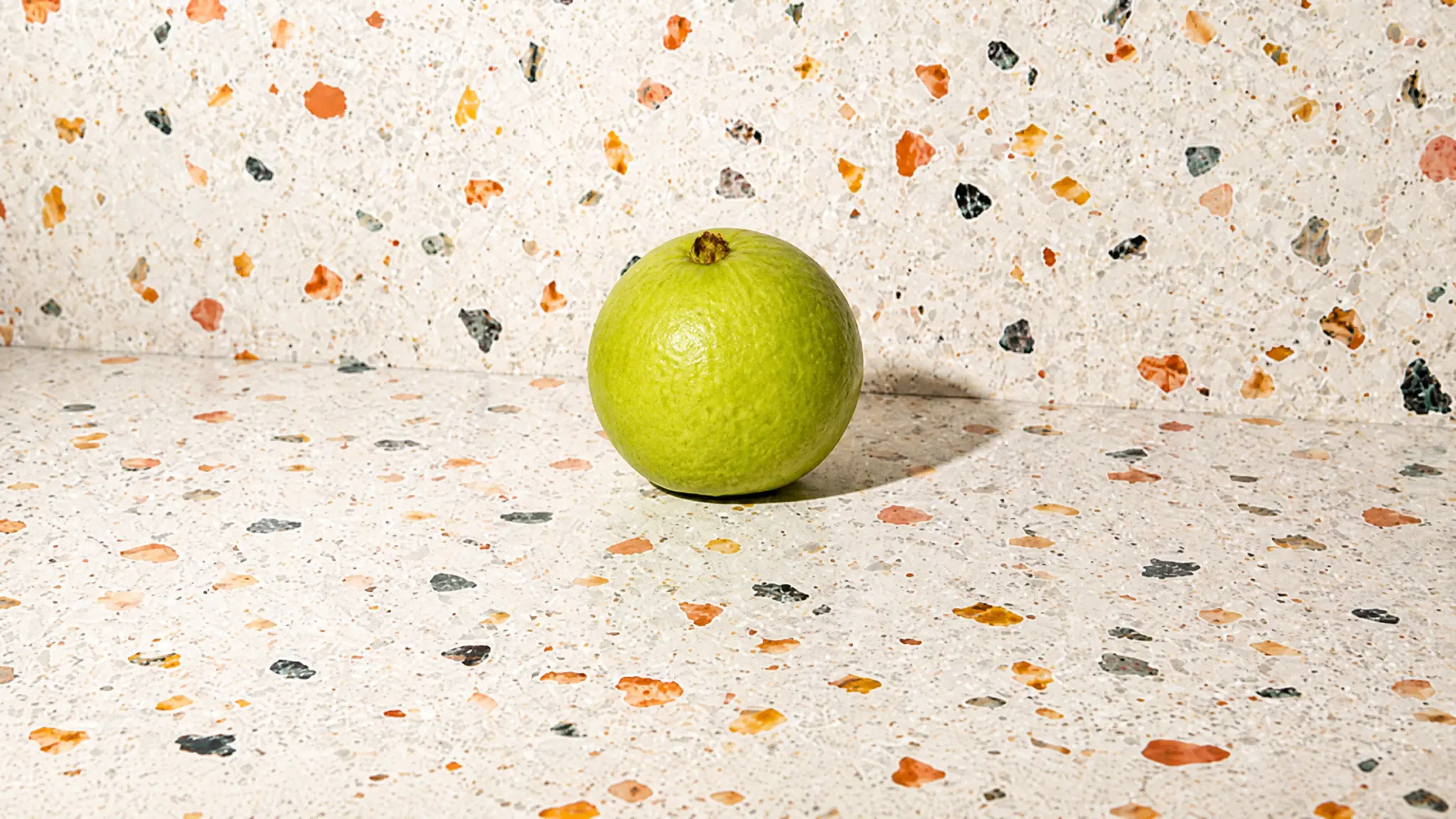

Guava (Soft)
Fruit
Last updated July 5, 2026. The Tummi Food Team maintains this Can I Feed This safety guide guide. Supporting links appear in Sources when available.



Clinically reviewed by Andria Procopio and Arefa Mohamed
Direct answer
Can babies eat Guava (Soft)?
Yes, soft guava can be introduced around 6 months of age as part of a balanced solid food diet, ensuring the fruit is peeled and mashed to prevent choking.
- Serve Age6+months
Most babies start solids around 6 months once they show readiness signs. Match the texture and serving size to your baby's skills.
- No Allergens
Guava (Soft) is not flagged as one of the major allergens tracked in this database. Still watch your baby closely when serving any new food.
- Choking Risk123451
Lower choking risk when served in the right texture. Always supervise meals and adjust the shape for your baby.
This guide is for everyday food prep questions. Ask your pediatrician about medical concerns, feeding delays, allergy plans, or serious reactions.
How Do You Serve Guava (Soft)?
How to serve Guava (Soft) to a 9-month-old baby
- 1Wash a ripe, soft guava, cut it open, and scoop out the flesh.
- 2Press the flesh through a fine sieve or blend and strain to remove all seeds, then mash or blend until smooth.
- 3Thin with breastmilk, formula, or plain yogurt to a spoonable consistency; you can add a small knob of butter or a tiny pinch of mild spice (like cinnamon) only after the baby has tried those foods separately.
- 4Avoid added sugar and processed guava products; if offering a seeded half to gnaw on, remove seeds first or closely supervise and remove any seeds to prevent choking.
How to serve Guava (Soft) to a 12-month-old baby
- 1Mash ripe guava and gently fold into warm cereal or yogurt until evenly combined; check temperature before serving.
- 2If your child chews well, offer very small, soft diced guava pieces—remove seeds to prevent choking and make pieces easier to swallow.
- 3If you leave seeds in, mash thoroughly and mix with other foods so seeds stay trapped and the risk of coughing or aspiration is reduced.
- 4Serve in a shallow dish and stay within arm’s reach, offering small spoonfuls and pausing between bites to watch for any trouble.
How to serve Guava (Soft) to a 18-month-old baby
- 1Chop ripe, soft guava into small, bite-sized pieces and serve plain or in fruit salads; remove hard seeds if they cause gagging.
- 2Blend guava into smoothies or thin purees for easier swallowing. Reduce choking risk.
- 3Introduce the skin gradually — start peeled if your child struggles, then offer small pieces of unpeeled guava as tolerance improves.
- 4Keep portions small and supervise every bite; never leave a child alone in a stroller or car seat with raw guava.
- 5After first servings, watch for any allergic reaction or stomach upset and wait 2–3 days before offering another new food.
How to serve Guava (Soft) to babies 24 months and older
- 1Cut very ripe, soft guava into quarters or halves, or give whole pieces that require a bite so they cannot be swallowed whole.
- 2Leave some skin or peel in long strips to create a simple handle that helps the child hold and control the fruit.
- 3Model and practice biting and scraping the flesh with the front teeth or a fork, and supervise the child within arm’s reach at all times.
- 4If seeds are difficult, remove them or offer deseeded, mashed, or gently cooked pieces. Cooked guava is much softer and easier to manage.
Is Guava (Soft) a Common Allergen?
Guava is not a common major food allergen, but sensitized individuals can occasionally react. Watch for oral allergy syndrome (itchy/tingly mouth, lips or throat) and consider latex–fruit cross‑reactivity in people with latex allergy. For infants and toddlers, mash soft guava and remove/avoid large seeds to reduce choking risk; introduce small amounts and monitor closely for any allergic signs.
Is Guava (Soft) a Choking Hazard?
Low Choking Risk
Soft guava varieties are generally low risk for choking, but guava textures vary widely—firmer, rounder types increase choking risk. The fruit’s small edible seeds can be aspirated or trigger gagging, so exercise extra caution with seeds in younger infants. Stay within arm’s reach and closely monitor your baby’s chewing and swallowing.
Have More Questions?
Yes. Soft guava can be introduced around 6 months when your baby starts solids, but always consider the fruit's texture and seed presence to reduce choking or aspiration risks.
Yes. Ripe guavas are rich in vitamin C, fiber, and other nutrients that support a baby's growth, immune system, and digestion. Always serve in age-appropriate, manageable portions.
No, guava seeds can pose an aspiration risk if not removed. Strain out seeds before offering pureed or mashed guava to your baby to ensure safety.
No. Guava allergies are rare, but some individuals with latex allergies might react. Introduce small amounts gradually and monitor your baby for any adverse reactions.
It depends. When offering guava to your baby, serve in small, manageable pieces or purees, and always supervise your child's eating to prevent choking and ensure safety.
Save Guava (Soft) to your food log
Track foods, reactions, and prep notes in Tummi when you want to keep your baby's feeding history in one place.
Sources
- Anti-cancer therapeutic benefit of red guava extracts as a potential therapy in combination with doxorubicin or targeted therapy for triple-negative breast cancer cells doi.org
- Psidium guajava: A review on its potential as an adjunct in treating periodontal disease doi.org
- Nutritional and nutraceutical comparison of Jamaican Psidium cattleianum (strawberry guava) and Psidium guajava (common guava) fruits doi.org
- Guava fruit (Psidium guajava L.) as a new source of antioxidant dietary fiber doi.org
- Guava (Psidium guajava L.) Fruit and Valorization of Industrialization By-Products doi.org
- Allergic contact dermatitis due to guava tea doi.org
What Other Fruit Can Babies Eat?
See all →





Source-Linked Guidance
See the evidence behind the guide.
Food guides show direct links to public-health guidance and research when supporting references are available. Source inclusion does not imply endorsement.
 Centers for Disease Control and Prevention
Developmental milestones, nutrition guidelines, and allergen introduction timelines.
 American Academy of Pediatrics
Evidence-based feeding recommendations from the leading pediatric authority.
 National Institutes of Health
Peer-reviewed research on infant nutrition, allergies, and food safety.