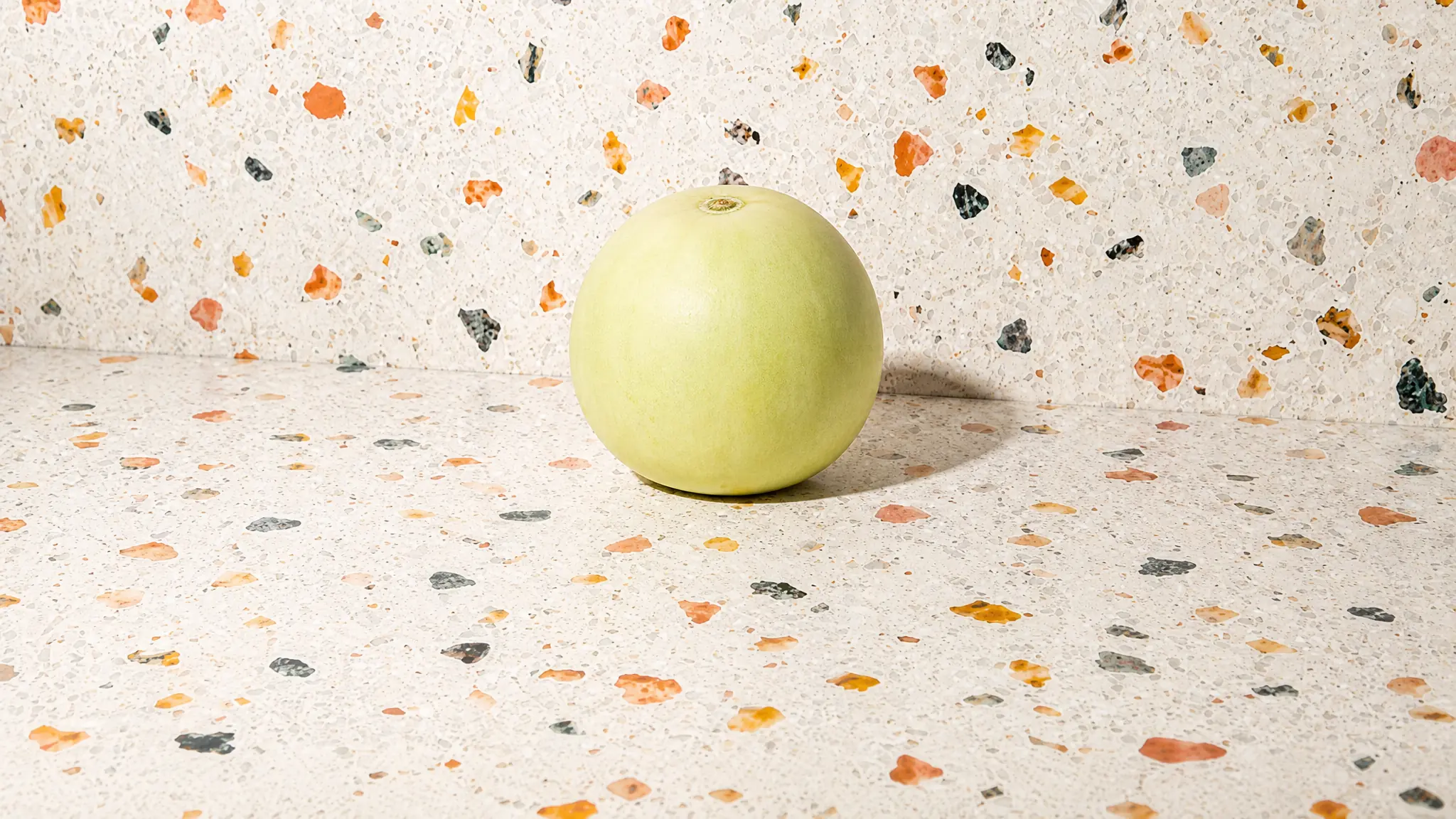
Honeydew Melon
Fruit
Last updated July 5, 2026. The Tummi Food Team maintains this Can I Feed This safety guide guide. Supporting links appear in Sources when available.



Clinically reviewed by Andria Procopio and Arefa Mohamed
Direct answer
Can babies eat Honeydew Melon?
Yes, honeydew melon can be introduced to babies as soon as they are ready to start solids, typically around 6 months, and should be served in small, supervised bites to prevent choking.
- Serve Age6+months
Most babies start solids around 6 months once they show readiness signs. Match the texture and serving size to your baby's skills.
- No Allergens
Honeydew Melon is not flagged as one of the major allergens tracked in this database. Still watch your baby closely when serving any new food.
- Choking Risk123453
Some choking risk. Use the prep section to change the size, shape, or texture before serving.
This guide is for everyday food prep questions. Ask your pediatrician about medical concerns, feeding delays, allergy plans, or serious reactions.
How Do You Serve Honeydew Melon?
How to serve Honeydew Melon to babies 6 months and older
- 1Cut soft, ripe honeydew into long, flat crescent moons or narrow rectangular strips with seeds and rind fully removed so baby can grasp and gum them.
- 2Offer one piece at a time and hold it near your baby's hands to encourage self-feeding and safe grasping.
- 3Avoid melon balls, thick wedges, or large chunks—the firm, slippery texture increases choking risk.
- 4Supervise closely while your baby eats and stop feeding if they cough or struggle; expect only small bites at first.
- 5Choose very ripe, sweet melon since underripe fruit can be harder to chew and swallow.
How to serve Honeydew Melon to babies 9 months and older
- 1Cut soft, ripe honeydew into long, flat rectangles about the width of two adult fingers so little hands can grasp them easily.
- 2Remove all seeds and rind, then slice the flesh thinly so pieces are flexible and easy to chew; avoid melon balls and large chunks that pose a choking risk.
- 3Offer pieces while closely supervising at all times and encourage self-feeding, staying within arm's reach to intervene if needed.
- 4If the melon feels too soft or slippery, chill it briefly to firm the texture and test a piece yourself by pressing gently to ensure it mashes easily.
How to serve Honeydew Melon to babies 18 months and older
- 1Cut ripe honeydew into long, flat strips and remove seeds and the hard outer rind so the child can bite safely.
- 2Begin with small, easy-to-hold pieces and watch that the child chews well and follows simple directions before offering bigger pieces.
- 3When chewing is reliable, offer a larger wedge with the rind left on after washing it thoroughly. Hold the rind for them at first so they have a secure grip while they learn to bite.
- 4Demonstrate taking one bite and supervise closely until biting is confident and safe.
Is Honeydew Melon a Common Allergen?
Honeydew melon is not a common childhood food allergen, but children with pollen allergies—especially to ragweed or certain grasses—can develop oral allergy syndrome (OAS) from melons, causing itching or tingling of the mouth, lips, or throat. Cooking or processing the fruit usually prevents OAS reactions. Severe systemic reactions are uncommon, but seek urgent care if your child develops facial or throat swelling, hives, vomiting, or breathing difficulty after eating melon. If your child has known pollen or latex sensitivities, talk with your pediatrician or allergist before offering honeydew.
Is Honeydew Melon a Choking Hazard?
Moderate Choking Risk
Honeydew melon is firm and slippery, which makes it a high choking risk—especially when offered as melon balls, large chunks, or if underripe. Parents should stay within arm’s reach and supervise closely, be familiar with the signs of choking, and know basic infant choking first aid.
Have More Questions?
Yes. Honeydew melon can be stored in the refrigerator for 1-2 days once cut. Keep it in an airtight container to maintain freshness and prevent it from absorbing other odors.
Yes. You can freeze pureed honeydew melon for 2-3 months. Use freezer-safe containers, leaving space for expansion, and thaw in the refrigerator before serving.
It depends. Choosing organic honeydew melons reduces exposure to pesticides, but conventional ones are safe if thoroughly washed before preparing for your baby.
Yes. Combining honeydew melon with other fruits, like banana or berries, can introduce your baby to new flavors and textures, supporting varied taste development.
It depends. Typical portion sizes for babies start at 1-2 tablespoons of mashed or pureed fruit per feeding, adjusting based on your child's appetite and developmental stage.
Save Honeydew Melon to your food log
Track foods, reactions, and prep notes in Tummi when you want to keep your baby's feeding history in one place.
Sources
- Nutritional Composition and Health Benefits of Various Botanical Types of Melon (Cucumis melo L.) doi.org
- Food safety tips for melons — Government of Canada canada.ca
- Oral Allergy Syndrome (OAS) or Pollen Food Syndrome (PFS) — American Academy of Allergy, Asthma & Immunology aaaai.org
- Oral Allergy Syndrome: An Update for Stomatologists — Journal of Allergy (2015) doi.org
What Other Fruit Can Babies Eat?
See all →


Source-Linked Guidance
See the evidence behind the guide.
Food guides show direct links to public-health guidance and research when supporting references are available. Source inclusion does not imply endorsement.
 Centers for Disease Control and Prevention
Developmental milestones, nutrition guidelines, and allergen introduction timelines.
 American Academy of Pediatrics
Evidence-based feeding recommendations from the leading pediatric authority.
 National Institutes of Health
Peer-reviewed research on infant nutrition, allergies, and food safety.