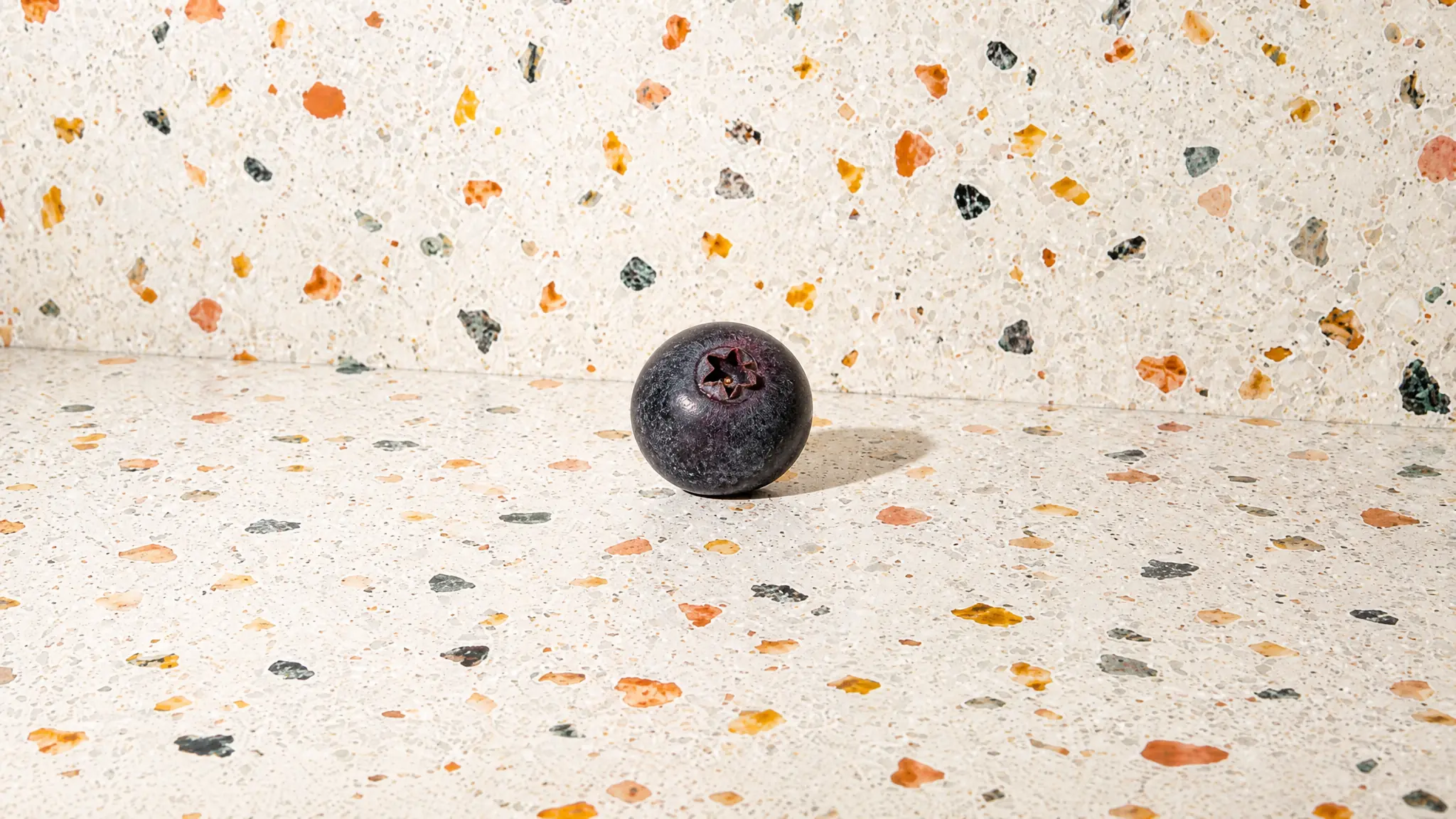
Juneberry
Fruit
Last updated July 5, 2026. The Tummi Food Team maintains this Can I Feed This safety guide guide. Supporting links appear in Sources when available.



Clinically reviewed by Andria Procopio and Arefa Mohamed
Direct answer
Can babies eat Juneberry?
Yes, Juneberries can be introduced at around 6 months once babies are ready for solids; serve cooked or pureed to reduce potential cyanogenic compounds.
- Serve Age6+months
Most babies start solids around 6 months once they show readiness signs. Match the texture and serving size to your baby's skills.
- No Allergens
Juneberry is not flagged as one of the major allergens tracked in this database. Still watch your baby closely when serving any new food.
- Choking Risk123455
Higher choking risk. Watch the prep steps closely, especially because this food can be small and round, hard, and slippery.
This guide is for everyday food prep questions. Ask your pediatrician about medical concerns, feeding delays, allergy plans, or serious reactions.
How Do You Serve Juneberry?
How to serve Juneberry to a 8-month-old baby
- 1Smash fresh or cooked juneberries into a lumpy, spoonable mash; leave small soft pieces so baby can practice picking and scooping.
- 2If offering raw berries, serve a very small portion (about 1/4 cup) and introduce them alone so you can watch closely for any reaction.
- 3Remove stems and pits before mashing — remove any pits to prevent choking.
- 4Serve as a thin spread or spoonable topping on thick yogurt, oatmeal, or mashed potatoes so it’s easy to scoop, or offer a small spoonful on a soft finger food for self-feeding.
- 5Always seat baby upright and supervise all feedings; stop and seek help if you notice coughing, gagging, hives, swelling, or trouble breathing.
How to serve Juneberry to a 11-month-old baby
- 1Wash berries and remove any stems or damaged ones; flatten each berry between your fingers or press with a fork until it’s no longer round to break the skin and reduce choking risk.
- 2Offer flattened berries as a soft finger food to practice the pincer grasp, or mash them into yogurt, oatmeal, or purees for mixed textures.
- 3Start with about 1/4 cup per serving and introduce juneberries slowly over several days while watching for any allergic reactions or digestive changes.
- 4Always feed with the baby seated upright and within arm’s reach, giving only small pieces and allowing the child to self-feed safely.
- 5If berries feel firm, lightly cook or fully mash them until soft before serving.
How to serve Juneberry to a 24-month-old baby
- 1Offer whole juneberries only after the child shows reliable chewing and self-feeding skills; model chewing first, then give one whole berry and watch how they handle it.
- 2Keep raw servings moderate—about 1/2 cup per meal. Always supervise and keep the child seated upright; avoid eating on the go.
- 3If the child isn’t ready for whole berries, start by halving or gently mashing them and gradually move to larger pieces over several meals as chewing improves.
- 4Remove stems, check for any known berry allergies, and pair juneberries with a soft food (yogurt or mashed banana) to lower choking risk.
Is Juneberry a Common Allergen?
Juneberries (saskatoon/serviceberries) are not common allergens, but people with birch‑pollen or related pollen allergies can experience oral allergy syndrome (itching or mild swelling of the mouth/throat). For infants and toddlers, whole berries can be a choking hazard—serve mashed, pureed, or cut into very small pieces for young children. Introduce juneberries as you would any new food and watch closely for hives, swelling, vomiting, or breathing difficulty; seek medical care if those occur.
Is Juneberry a Choking Hazard?
High Choking Risk
Juneberries pose a choking risk due to their small, round shape which can more easily block a young child's airway. Parents should supervise closely and keep babies seated upright and within arm's reach during meals, and be ready to respond quickly if choking occurs. Consider getting infant first-aid/CPR training so you know how to act in an emergency.
Have More Questions?
Yes, parents can store juneberries in the refrigerator for up to a week, preferably in a breathable container to maintain freshness.
Yes, you can freeze pureed juneberries in an airtight container or ice cube tray for up to 6 months, which makes meal prep easier.
Yes, choosing organic juneberries can reduce pesticide exposure, though conventional berries are safe if washed thoroughly.
Yes, you can combine juneberries with other fruits like blueberries or strawberries to introduce variety and new flavors to your baby’s diet.
Yes, babies typically need about 1 to 4 tablespoons of fruit purees per feeding, depending on age and appetite.
Save Juneberry to your food log
Track foods, reactions, and prep notes in Tummi when you want to keep your baby's feeding history in one place.
Sources
- Mazza, G.; Cottrell, T. (2008). Carotenoids and cyanogenic glucosides in saskatoon berries (Amelanchier alnifolia Nutt.). Journal of Food Composition and Analysis doi.org
- Fang, J. (2021). Nutritional composition of saskatoon berries: a review. Botany doi.org
- Majak W.; McDiarmid R.E.; Hall J.W. (1981). The cyanide potential of saskatoon serviceberry and chokeberry. Can J Anim Sci. doi.org
- Quinton, D.A. (1985). Saskatoon serviceberry toxic to deer. The Journal of Wildlife Management doi.org
- He, X.-Y.; Wu, L.-J.; Wang, W.-X.; Xie, P.-J.; Chen, Y.-H.; Wang, F. (2020). Amygdalin—A pharmacological and toxicological review. Journal of Ethnopharmacology doi.org
- Abraham, K.; Buhrke, T.; Lampen, A. (2016). Bioavailability of cyanide after consumption of a single meal of foods containing high levels of cyanogenic glycosides. Archives of Toxicology doi.org
- Lim, T.K. (2012). Amelanchier alnifolia, Edible Medicinal And Non-Medicinal Plants doi.org
- Kuliahsari, D.E.; et al. (2021). Cyanide detoxification methods in food: A review. IOP Conference Series: Earth and Environmental Science doi.org
- American Academy of Allergy Asthma & Immunology. Oral Allergy Syndrome (OAS) or Pollen Fruit Syndrome (PFS) aaaai.org
What Other Fruit Can Babies Eat?
See all →




Source-Linked Guidance
See the evidence behind the guide.
Food guides show direct links to public-health guidance and research when supporting references are available. Source inclusion does not imply endorsement.
 Centers for Disease Control and Prevention
Developmental milestones, nutrition guidelines, and allergen introduction timelines.
 American Academy of Pediatrics
Evidence-based feeding recommendations from the leading pediatric authority.
 National Institutes of Health
Peer-reviewed research on infant nutrition, allergies, and food safety.