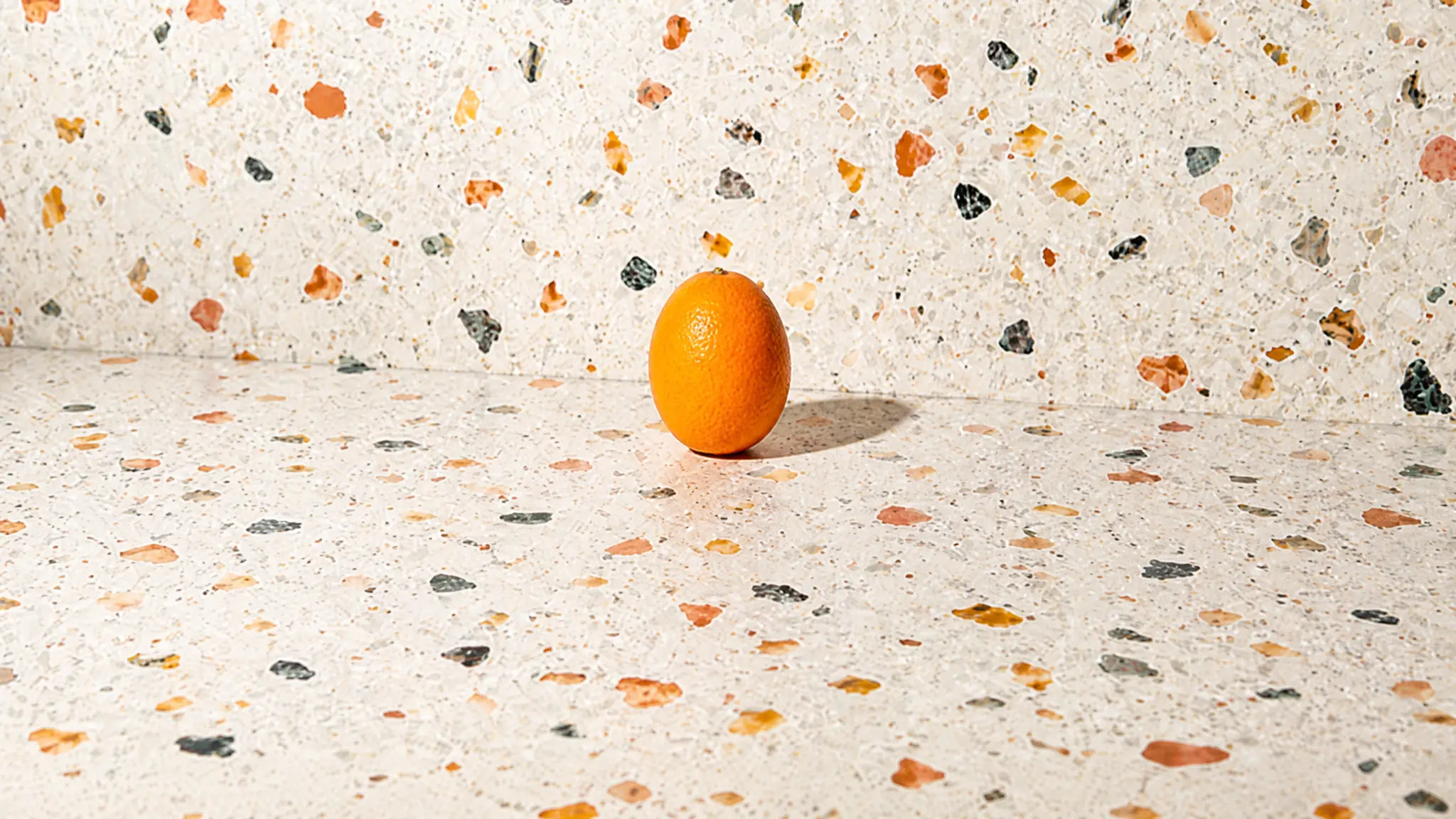
Kumquat
Fruit
Last updated July 5, 2026. The Tummi Food Team maintains this Can I Feed This safety guide guide. Supporting links appear in Sources when available.



Clinically reviewed by Andria Procopio and Arefa Mohamed
Direct answer
Can babies eat Kumquat?
Yes, kumquats can be introduced around 6 months when your baby is ready to start solids; peel and remove seeds before offering.
- Serve Age6+months
Most babies start solids around 6 months once they show readiness signs. Match the texture and serving size to your baby's skills.
- No Allergens
Kumquat is not flagged as one of the major allergens tracked in this database. Still watch your baby closely when serving any new food.
- Choking Risk123455
Higher choking risk. Watch the prep steps closely, especially because this food can be small and round, hard, and slippery.
This guide is for everyday food prep questions. Ask your pediatrician about medical concerns, feeding delays, allergy plans, or serious reactions.
How Do You Serve Kumquat?
How to serve Kumquat to babies 6 months and older
- 1Remove all seeds and the white membranes, then finely chop the kumquat flesh to reduce choking risk and make it easy to mix into spoonable foods.
- 2Puree or gently cook kumquats into a smooth sauce and stir into cereal, yogurt, or mashed vegetables; strain if needed for an extra-smooth texture.
- 3Dilute fresh kumquat juice with water or mix it into other foods to lower acidity, offer a very small taste (about 1 teaspoon) first, and wait 48–72 hours to watch for any signs of sensitivity.
- 4Check the temperature before serving and combine kumquat with familiar foods to help acceptance and reduce irritation risk.
- 5Because kumquats are acidic, wash hands after feeding and clean the diaper area promptly to prevent skin irritation.
How to serve Kumquat to babies 9 months and older
- 1Remove all seeds and cut kumquat into thin rings about 3–6 mm (1/8–1/4 inch) thick so pieces are easy for little fingers to grasp with a developing pincer.
- 2Offer raw rings whole so the baby can grab the edge; discard any small, ragged, or loose bits to reduce choking risk.
- 3To soften and mellow tartness, simmer chopped kumquat with a splash of water for 5–10 minutes, then mash or blend into a smooth sauce to drizzle over cereals or yogurt; no added sugar.
- 4Always remove seeds, serve appropriate portion sizes, and supervise closely during self-feeding.
How to serve Kumquat to babies 18 months and older
- 1Slice kumquats into thin, de-seeded rings so the child can pick up pieces easily.
- 2For children still learning to bite, quarter kumquats lengthwise and remove seeds and large membranes to reduce choking risk.
- 3Demonstrate biting with the front teeth and let the child mimic while you supervise closely.
- 4Have the child seated upright and within arm’s reach; offer one small piece at a time and stop feeding if the child coughs or shows difficulty breathing.
How to serve Kumquat to babies 24 months and older
- 1Offer whole kumquats only when the child shows mature eating skills (moves food around the mouth, chews thoroughly, follows directions); always serve in a seated setting and stay within arm’s reach.
- 2Soften the kumquat by rolling it firmly on a countertop before serving to break down the flesh. Test softness by pressing until the skin yields slightly.
- 3Remove seeds and consider peeling or slicing into thin wedges if the fruit is still firm, or hold a half-wedge for the child to practice biting while you support it.
- 4Model chewing using the molars and encourage small bites; watch closely for rapid swallowing or signs of difficulty.
- 5If you’re unsure about safety, cut the fruit into small, age-appropriate pieces and never leave the child unattended.
Is Kumquat a Common Allergen?
Kumquats are a citrus fruit and not among the common top‑9 food allergens, but people with pollen‑related oral allergy syndrome may get itching, tingling or mild swelling of the lips and mouth after eating citrus. For infants and young children, kumquats pose a notable choking risk (small size and seeds) and their acidity can irritate sensitive mouths or worsen reflux. If your child has a known citrus allergy or pollen‑food allergy, avoid kumquat or check with your pediatrician/allergist before offering it. Introduce cautiously and watch for mouth, throat, breathing, or skin symptoms.
Is Kumquat a Choking Hazard?
High Choking Risk
Kumquats are firm, round, and relatively difficult to chew, so they carry a high choking risk for young children. Keep baby seated upright and stay within arm’s reach to closely supervise every mouthful. Be prepared to recognize gagging versus choking and refresh infant/toddler rescue skills—call emergency services if a child cannot breathe.
Have More Questions?
Yes. Kumquats can be introduced to babies around 6 months of age when they start solids, but they should be prepared appropriately due to their acidity and firm texture.
Yes. Kumquats are rich in vitamin C and fiber, making them a healthy addition to a baby's diet, provided they are prepared safely and offered in moderation.
No. Kumquats are not a common allergen, but citrus sensitivity and Oral Allergy Syndrome may cause reactions in some babies, especially if they have pollen allergies.
Yes. Kumquats are firm and round, which increases choking risk if not prepared properly. Always serve in age-appropriate sizes and supervise your baby during eating.
It depends. If your baby refuses kumquat, consider whether they are teething or tired, and try offering it at a different time or in a different form. Never force food.
Save Kumquat to your food log
Track foods, reactions, and prep notes in Tummi when you want to keep your baby's feeding history in one place.
Sources
- Immunostimulatory effect of kumquat (Fortunella crassifolia) and its constituents, β-cryptoxanthin and R-limonene (Food Funct., 2019) doi.org
- Phenolic compounds and biological activities of small-size citrus: Kumquat and calamondin (J Food Drug Anal., 2017) doi.org
- Traditional Small-Size Citrus from Taiwan: Essential Oils, Bioactive Compounds and Antioxidant Capacity (Medicines (Basel), 2017) doi.org
- Polyphenolic composition and antioxidant characteristics of kumquat peel fractions (Plant Foods Hum Nutr., 2009) doi.org
- Comparative Studies on Different Citrus Cultivars: A Revaluation of Waste Mandarin Components (Antioxidants (Basel), 2020) doi.org
- Citrus allergy from pollen to clinical symptoms (PLOS ONE, 2013) doi.org
- Allergic contact dermatitis resulting from sensitivity to citrus peel, geraniol, and citral (J Am Acad Dermatol., 1989) doi.org
- Phytophotodermatitis: the other 'lime' disease (J Emerg Med., 1999) doi.org
- American Academy of Allergy Asthma & Immunology — Oral Allergy Syndrome (OAS) or Pollen Food Syndrome (PFS) aaaai.org
What Other Fruit Can Babies Eat?
See all →




Source-Linked Guidance
See the evidence behind the guide.
Food guides show direct links to public-health guidance and research when supporting references are available. Source inclusion does not imply endorsement.
 Centers for Disease Control and Prevention
Developmental milestones, nutrition guidelines, and allergen introduction timelines.
 American Academy of Pediatrics
Evidence-based feeding recommendations from the leading pediatric authority.
 National Institutes of Health
Peer-reviewed research on infant nutrition, allergies, and food safety.