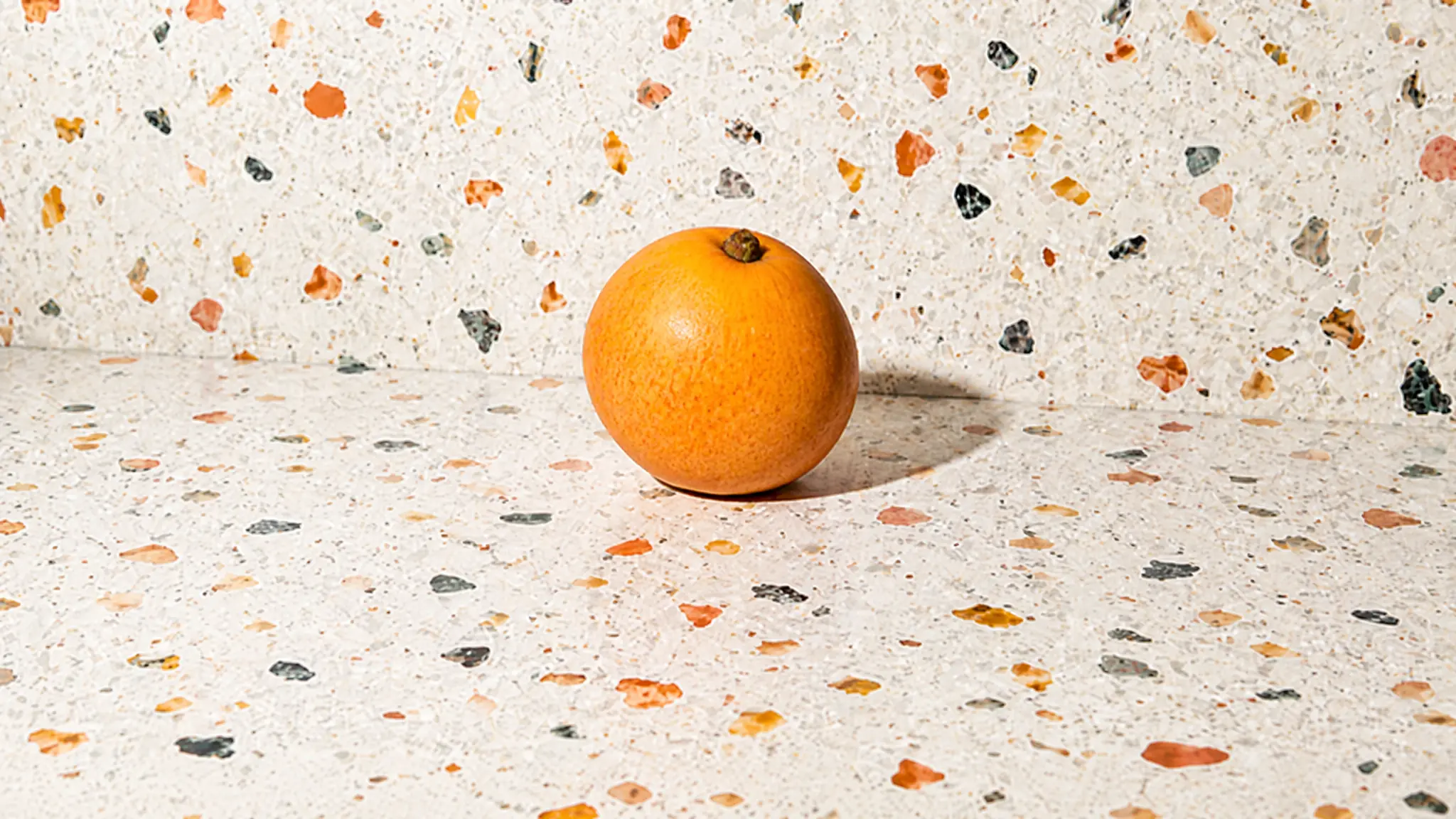
Loquat
Fruit
Last updated July 5, 2026. The Tummi Food Team maintains this Can I Feed This safety guide guide. Supporting links appear in Sources when available.



Clinically reviewed by Andria Procopio and Arefa Mohamed
Direct answer
Can babies eat Loquat?
Babies can eat ripe, soft loquat flesh from around 6 months, once they are developmentally ready for solid foods. Remove every seed and hard part, and prepare the flesh in a soft shape and texture appropriate for the baby’s eating skills.
- Serve Age6+months
Most babies start solids around 6 months once they show readiness signs. Match the texture and serving size to your baby's skills.
- No Allergens
Loquat is not flagged as one of the major allergens tracked in this database. Still watch your baby closely when serving any new food.
- Choking Risk123455
Higher choking risk. Watch the prep steps closely, especially because this food can be small and round, hard, and slippery.
This guide is for everyday food prep questions. Ask your pediatrician about medical concerns, feeding delays, allergy plans, or serious reactions.
How Do You Serve Loquat?
How to serve Loquat to babies 6 months and older
- 1Remove all seeds and pits and serve only the soft, ripe flesh cut to an age-appropriate texture—smooth for spoon-feeding or soft strips/halves for self-feeding.
- 2When offering halves or pieces for self-feeding, ensure the pit cavity is completely cleared and pieces are small enough; supervise closely while the child eats.
- 3Peel if the skin is tough; if the fruit is slippery, roll pieces in unsweetened shredded coconut or finely ground cereal for better grip (avoid whole nuts unless you’ve confirmed no allergy).
- 4Avoid adding sugar or sweeteners; serve plain loquat and consult your pediatric feeding guidance before introducing added sweeteners.
How to serve Loquat to babies 9 months and older
- 1Choose ripe, soft loquats, remove the seed and any hard core, then cut into small, bite-sized pieces suitable for the child's chewing.
- 2Offer halves or quarters so the child can practice biting and spitting; leave the skin on only if it’s soft and easy to chew, otherwise peel it.
- 3Trim away any tough membranes or firm edges and never give large chunks or whole fruit to reduce choking risk.
- 4Always supervise during meals. Watch for reactions when introducing loquat alone and serve at room temperature.
How to serve Loquat: Varies
- 1Remove seeds and blend ripe, deseeded loquat into smoothies with coconut milk and tart fruits for a creamy, balanced flavor.
- 2Serve deseeded halves or quarters as finger food; cut to match chewing ability and supervise while the child eats.
- 3Never offer loquat seeds — they contain compounds that can convert to cyanide. Only allow seeds if the child reliably chews and can be coached to spit them out.
- 4Start with small portions and watch for choking or allergic reactions; refrigerate prepared loquat smoothies and use within 24 hours.
Is Loquat a Common Allergen?
Loquat is not a common food allergen but can cause oral allergy symptoms in people with pollen allergies (particularly birch-related pollen) because it may contain Bet v 1–type proteins. Rare case reports describe more generalized allergic reactions, so severe reactions, while uncommon, are possible. If a child has known pollen-food cross-reactivity or previous fruit allergies, avoid giving loquat and consult an allergist; watch for itching, swelling, hives, breathing difficulty, or GI symptoms and seek immediate care for severe signs.
Is Loquat a Choking Hazard?
High Choking Risk
Loquat can pose a choking hazard — particularly the firm, unripe flesh and the small, hard seeds. Stay within arm’s reach and closely supervise your baby during meals so you can respond quickly if they gag or choke. Pay attention to pieces that could block the airway and be ready to act if needed.
Have More Questions?
Yes, untouched prepared loquat can be refrigerated or frozen promptly. Use refrigerated prepared loquat within 2 days, and discard any portion that has already been offered to or partly eaten by the baby.
Yes. To freeze purees, pour the cooked and pureed loquat into ice cube trays, freeze until solid, then transfer to a freezer bag. Label with date for best quality.
Either organic or conventional loquat can be offered to babies; the same preparation precautions apply to both. Rinse the fruit under plain running water before peeling or cutting it, then remove every seed and hard part before serving the ripe, soft flesh.
Yes. Combining loquat with other fruits such as apple or pear can introduce new flavors and textures, and provide a broader range of nutrients for your baby.
There is no single amount of loquat that every baby should eat at a feeding. Offer an amount appropriate for your baby’s eating skills and let their hunger and fullness cues guide how much they eat.
Save Loquat to your food log
Track foods, reactions, and prep notes in Tummi when you want to keep your baby's feeding history in one place.
Sources
- Quantification of amygdalin, prunasin, total cyanide and free cyanide in powdered loquat seeds doi.org
- Metabolic Dynamics During Loquat Fruit Ripening and Postharvest Technologies doi.org
- Transcriptional analysis for the difference in carotenoids accumulation in flesh and peel of white-fleshed loquat fruit doi.org
- Allergy to loquat doi.org
- Clinical cross-reactivity among foods of the Rosaceae family doi.org
- Oral allergy syndrome (American Journal of Rhinology & Allergy) doi.org
- Oral Allergy Syndrome: An Update for Stomatologists doi.org
- The Potential of Pectins to Modulate the Human Gut Microbiota Evaluated by In Vitro Fermentation: A Systematic Review doi.org
What Other Fruit Can Babies Eat?
See all →




Source-Linked Guidance
See the evidence behind the guide.
Food guides show direct links to public-health guidance and research when supporting references are available. Source inclusion does not imply endorsement.
 Centers for Disease Control and Prevention
Developmental milestones, nutrition guidelines, and allergen introduction timelines.
 American Academy of Pediatrics
Evidence-based feeding recommendations from the leading pediatric authority.
 National Institutes of Health
Peer-reviewed research on infant nutrition, allergies, and food safety.