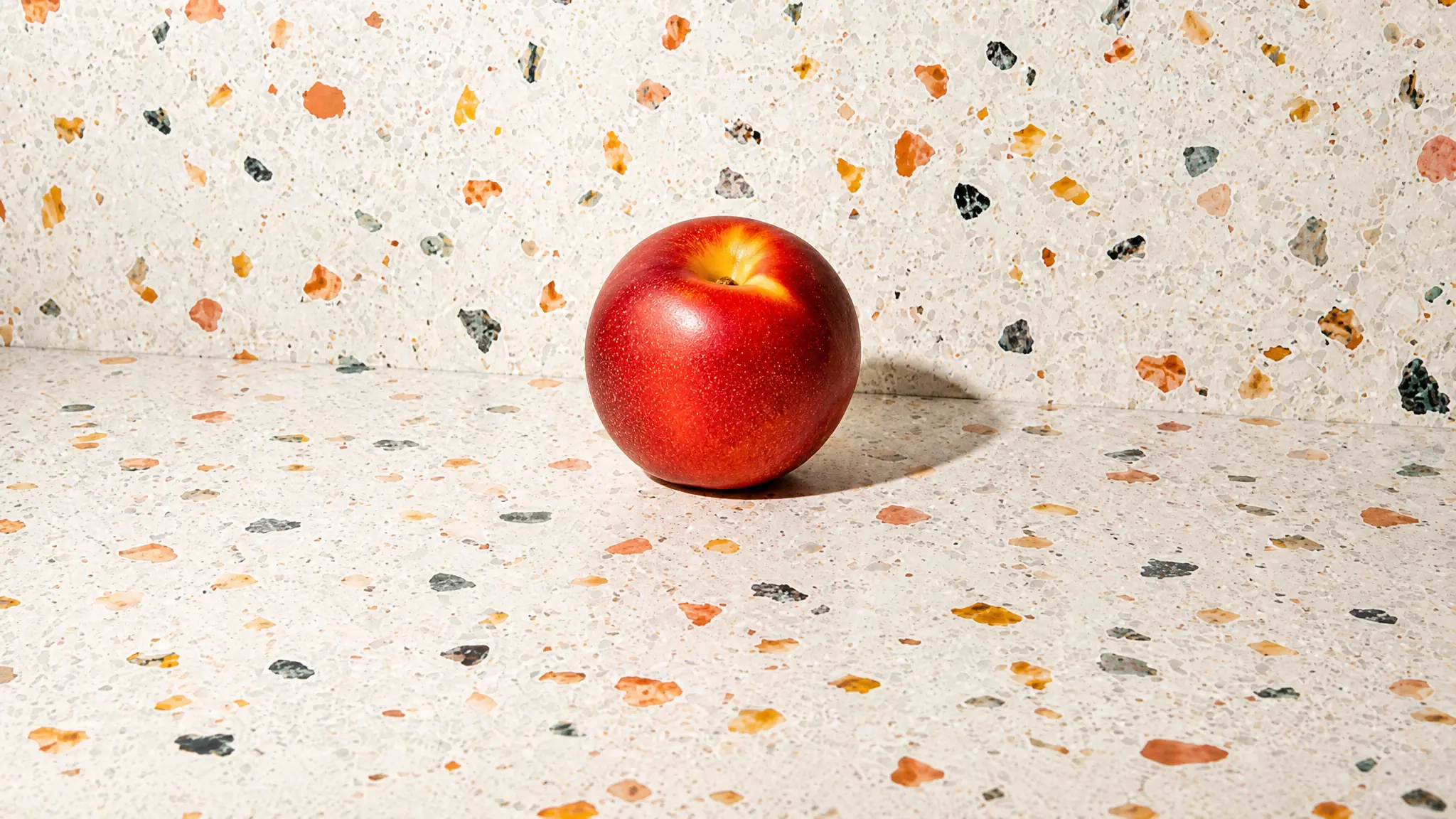
Nectarine
Fruit
Last updated July 5, 2026. The Tummi Food Team maintains this Can I Feed This safety guide guide. Supporting links appear in Sources when available.



Clinically reviewed by Andria Procopio and Arefa Mohamed
Direct answer
Can babies eat Nectarine?
Yes, babies can eat nectarines around 6 months, when the fruit is very soft, ripe, or cooked until soft.
- Serve Age6+months
Most babies start solids around 6 months once they show readiness signs. Match the texture and serving size to your baby's skills.
- No Allergens
Nectarine is not flagged as one of the major allergens tracked in this database. Still watch your baby closely when serving any new food.
- Choking Risk123453
Some choking risk. Use the prep section to change the size, shape, or texture before serving.
This guide is for everyday food prep questions. Ask your pediatrician about medical concerns, feeding delays, allergy plans, or serious reactions.
How Do You Serve Nectarine?
How to serve Nectarine to babies 6 months and older
- 1Choose a very ripe nectarine and remove the pit completely; offer a half with the skin on to help baby grip, or peel it if you prefer.
- 2Check softness — it should mash easily between your thumb and forefinger.
- 3Let baby self-feed; if they take a large bite, avoid putting fingers in their mouth. Kneel close so gravity can help, or mash the piece into porridge or yogurt to reduce size.
- 4Only offer a whole nectarine if it’s larger than the baby’s mouth and extremely soft, and remove the pit immediately if it becomes exposed.
How to serve Nectarine to babies 9 months and older
- 1Slice soft, ripe nectarines into thin wedges that mash easily when pressed; leave the skin on or peel it depending on chewing comfort.
- 2Remove the pit completely. Offer pitted halves or thin slices so pieces are easy to pick up.
- 3Prefer slices over tiny cubes — very small, slippery pieces can be hard to grasp and may increase gagging.
- 4Test softness by pressing a slice; it should mash easily between your fingers, and always supervise while they eat.
How to serve Nectarine to babies 12 months and older
- 1Select a ripe, very soft nectarine and remove the pit; slice thinly or halve to create manageable pieces for biting practice.
- 2Cut small, bite-sized pieces about thumbnail-sized for self-feeding or pre-load a child-safe fork to demonstrate how to eat.
- 3Test softness by pressing a piece with a fork; discard firm pieces and avoid any chunks that could be a choking hazard.
- 4Always supervise at meals, keep the child seated upright, and offer one piece at a time until chewing and swallowing are reliable.
How to serve Nectarine: Varies
- 1Choose very ripe, soft nectarines that yield to gentle pressure and have no hard spots to reduce choking risk.
- 2Cut to match your child’s chewing and self-feeding skills: offer a whole fruit only if safe, otherwise halve and remove the pit, slice into thin wedges for grabbing, or dice into small, bite-sized pieces.
- 3For self-feeding, leave slices or wedges with a firm hold so your child can grasp and bite; remove the pit completely and demonstrate biting around it and spitting out hard pieces if needed.
- 4Always supervise within arm’s reach while eating and model spitting out any hard pieces rather than swallowing them.
Is Nectarine a Common Allergen?
Nectarines are not one of the common “top 8” allergens and are usually safe for most children. However, people with birch-pollen allergy or a known peach/stone-fruit allergy can develop oral allergy syndrome (itchy mouth/throat), especially from raw fruit and the skin. Those with known peach or severe food allergies should avoid nectarines and consult their clinician; cooking often reduces OAS risk. For infants and toddlers, serve ripe nectarines in age-appropriate, soft, bite-sized pieces to reduce choking risk.
Is Nectarine a Choking Hazard?
Moderate Choking Risk
Nectarines can be a choking risk because they’re often slippery and can be firm when underripe, which increases the chance a large piece could block the airway. Stay within arm’s reach and closely supervise any infant or toddler eating nectarines, especially if they’re still mastering chewing and swallowing. Know basic choking first aid so you can respond quickly if needed.
Have More Questions?
Yes. You can store peeled or sliced nectarines in an airtight container in the fridge for up to 24 hours to maintain freshness for your baby's meals.
Yes. Freezing pureed nectarines is an option; freeze in small portions in an airtight container or ice cube tray for up to 3 months.
It depends. Opt for organic nectarines if possible to minimize pesticide exposure, though conventional ones are safe if thoroughly washed.
Yes. Combining nectarines with other smooth fruits or vegetables can introduce your baby to new flavors and textures during meal times.
Yes. Small, age-appropriate portion sizes for babies are usually about 1-2 tablespoons of pureed fruit, adjusting as they grow.
Save Nectarine to your food log
Track foods, reactions, and prep notes in Tummi when you want to keep your baby's feeding history in one place.
Sources
- American Academy of Allergy Asthma & Immunology - Oral Allergy Syndrome aaaai.org
- Kim JH et al. (2018) - Oral Allergy Syndrome in Birch Pollen-Sensitized Patients doi.org
- Rodriguez J et al. (2000) - Clinical cross-reactivity among foods of the Rosaceae family doi.org
- Costa J & Mafra I (2022) - Rosaceae food allergy: a review doi.org
- Kashyap RR & Kashyap RS (2015) - Oral Allergy Syndrome: An Update for Stomatologists doi.org
- World Health Organization (2023) - WHO Guideline for complementary feeding of infants and young children 6-23 months of age who.int
- Fidler Mis et al. (2017) - Sugar in Infants, Children and Adolescents: A Position Paper (ESPGHAN) doi.org
What Other Fruit Can Babies Eat?
See all →



Source-Linked Guidance
See the evidence behind the guide.
Food guides show direct links to public-health guidance and research when supporting references are available. Source inclusion does not imply endorsement.
 Centers for Disease Control and Prevention
Developmental milestones, nutrition guidelines, and allergen introduction timelines.
 American Academy of Pediatrics
Evidence-based feeding recommendations from the leading pediatric authority.
 National Institutes of Health
Peer-reviewed research on infant nutrition, allergies, and food safety.