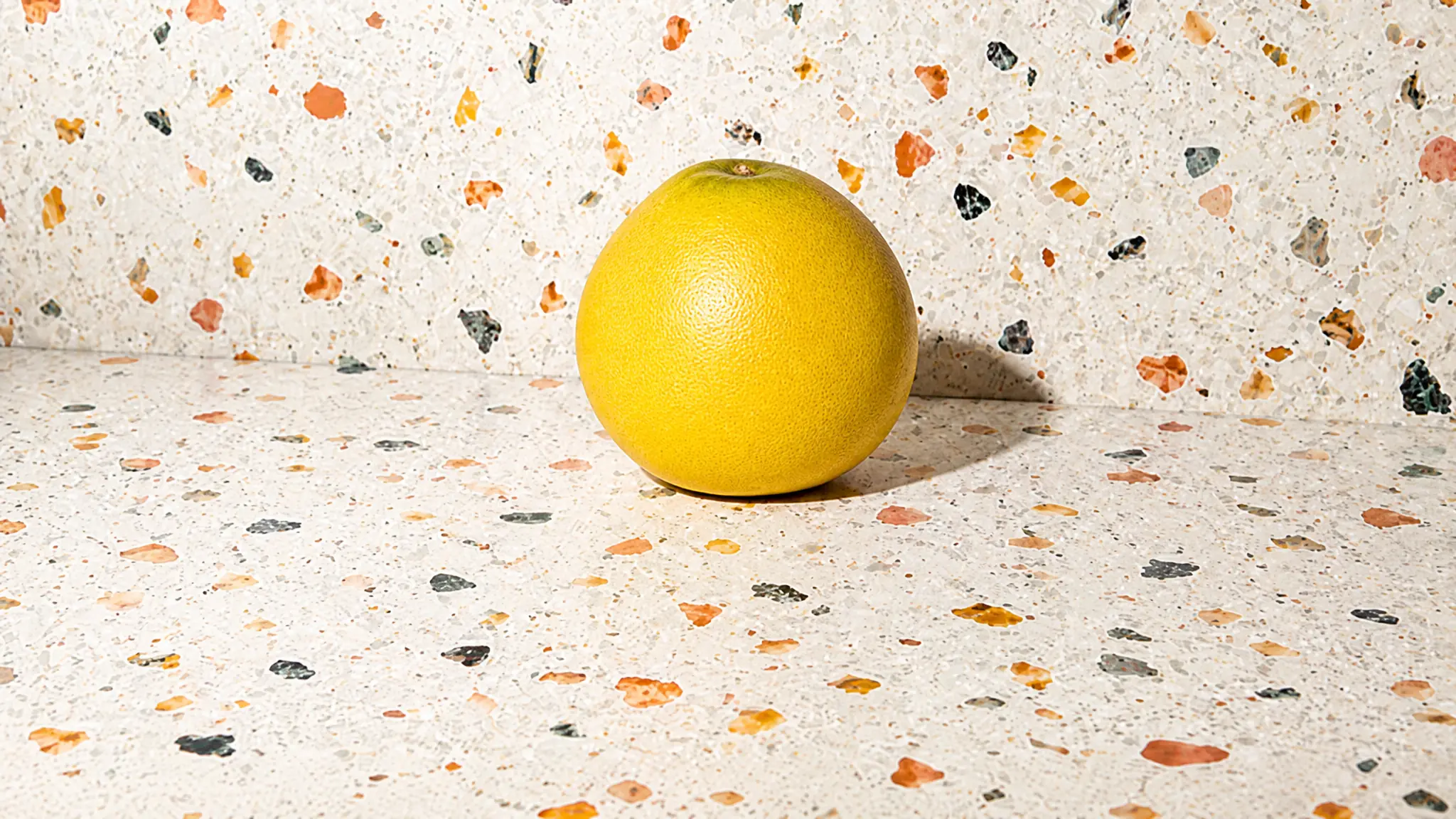
Oroblanco
Fruit
Last updated July 5, 2026. The Tummi Food Team maintains this Can I Feed This safety guide guide. Supporting links appear in Sources when available.



Clinically reviewed by Andria Procopio and Arefa Mohamed
Direct answer
Can babies eat Oroblanco?
Yes, oroblanco can be introduced around 6 months of age when starting solids; remove skin and offer in small, manageable pieces.
- Serve Age6+months
Most babies start solids around 6 months once they show readiness signs. Match the texture and serving size to your baby's skills.
- No Allergens
Oroblanco is not flagged as one of the major allergens tracked in this database. Still watch your baby closely when serving any new food.
- Choking Risk123451
Lower choking risk when served in the right texture. Always supervise meals and adjust the shape for your baby.
This guide is for everyday food prep questions. Ask your pediatrician about medical concerns, feeding delays, allergy plans, or serious reactions.
How Do You Serve Oroblanco?
How to serve Oroblanco to babies 6 months and older
- 1Cut a large wedge or whole segment, removing all membranes and any seeds.
- 2Leave a small strip of peel on one side so the baby can hold the wedge while gumming it.
- 3Size the piece so it cannot fit fully into the baby's mouth to reduce choking risk.
- 4Avoid offering segments with membranes still attached or small torn pieces that could detach. Always supervise within arm’s reach while the baby is eating.
How to serve Oroblanco to babies 9 months and older
- 1Slice into thin, bite-sized wedges or coins with the peel removed so pieces are easy to grasp and chew.
- 2Remove all membranes and seeds—they can be a choking hazard and may be hard to chew.
- 3Offer pieces sized for independent handling to encourage pincer-grasp practice while keeping bites manageable.
- 4Supervise closely during meals and discard any stubborn membrane or seeds before serving.
How to serve Oroblanco to babies 12 months and older
- 1Peel the oroblanco and remove all membranes and seeds, then cut into thin slices or small, easy-to-grasp cubes.
- 2Offer thin slices or bite-sized pieces and introduce a fork or spoon to encourage independent utensil use.
- 3Serve a half fruit with the segments gently loosened for scooping to practice spoon skills.
- 4Stay within arm's reach while your child self-feeds and keep portions small to reduce gag or choke risk.
Is Oroblanco a Common Allergen?
Oroblanco is a citrus hybrid (pomelo × grapefruit) and is not a common allergen for most children. Rarely, citrus can cause true allergic reactions or trigger oral allergy syndrome in people with pollen allergies, producing itching or tingling in the mouth or throat. If your child has known citrus or latex allergies, a history of severe food allergies, or unexplained reactions to fruits, check with your pediatrician or allergist before offering Oroblanco. Always remove seeds and cut fruit into age-appropriate pieces to lower choking risk.
Is Oroblanco a Choking Hazard?
Low Choking Risk
Oroblanco segments with the surrounding membrane intact can be a choking hazard, and stray seeds pose an aspiration risk. Although many oroblancos are seedless, they’re not guaranteed to be, so inspect the fruit before offering it. Always stay within an arm’s reach during meals and be prepared to respond if gagging or choking occurs.
Have More Questions?
Yes. You can store oroblanco in the refrigerator for up to a week, and it is best to keep it whole or in segments to maintain freshness. To freeze, peel and segment the fruit, then place in an airtight container for up to 3 months.
Yes. Freezing oroblanco puree in small portions allows for easy use later. Make sure the puree is cooled before sealing, and use within 3 months for best quality.
It depends. Organic oroblanco can be a better choice for babies sensitive to pesticides, but conventional options are also safe if properly washed and peeled.
Yes. Combining oroblanco with other fruits like bananas or strawberries can introduce variety and different nutrients to your baby's diet, provided the combined foods are appropriate for your baby's age.
It depends. Portion sizes for babies depend on their age and appetite, but generally, small segments or a few tablespoons of pureed oroblanco are suitable for young babies starting solids.
Save Oroblanco to your food log
Track foods, reactions, and prep notes in Tummi when you want to keep your baby's feeding history in one place.
Sources
- Grapefruit–medication interactions: Forbidden fruit or avoidable consequences? (CMAJ) pmc.ncbi.nlm.nih.gov
- Chemistry and health effects of furanocoumarins in grapefruit (J Food Drug Anal, 2017) pubmed.ncbi.nlm.nih.gov
- Oral Allergy Syndrome (OAS) – American Academy of Allergy, Asthma & Immunology aaaai.org
- Citrus Allergy from Pollen to Clinical Symptoms (PLOS ONE, 2013) pmc.ncbi.nlm.nih.gov
- Oral Allergy Syndrome: An Update for Stomatologists (J Allergy, 2015) onlinelibrary.wiley.com
- Dermatitis de contacto por alimentos (Actas Dermo-Sifiliográficas, 2007) sciencedirect.com
- Phytophotodermatitis review (J Clin/derm review, PMC) pmc.ncbi.nlm.nih.gov
What Other Fruit Can Babies Eat?
See all →






Source-Linked Guidance
See the evidence behind the guide.
Food guides show direct links to public-health guidance and research when supporting references are available. Source inclusion does not imply endorsement.
 Centers for Disease Control and Prevention
Developmental milestones, nutrition guidelines, and allergen introduction timelines.
 American Academy of Pediatrics
Evidence-based feeding recommendations from the leading pediatric authority.
 National Institutes of Health
Peer-reviewed research on infant nutrition, allergies, and food safety.