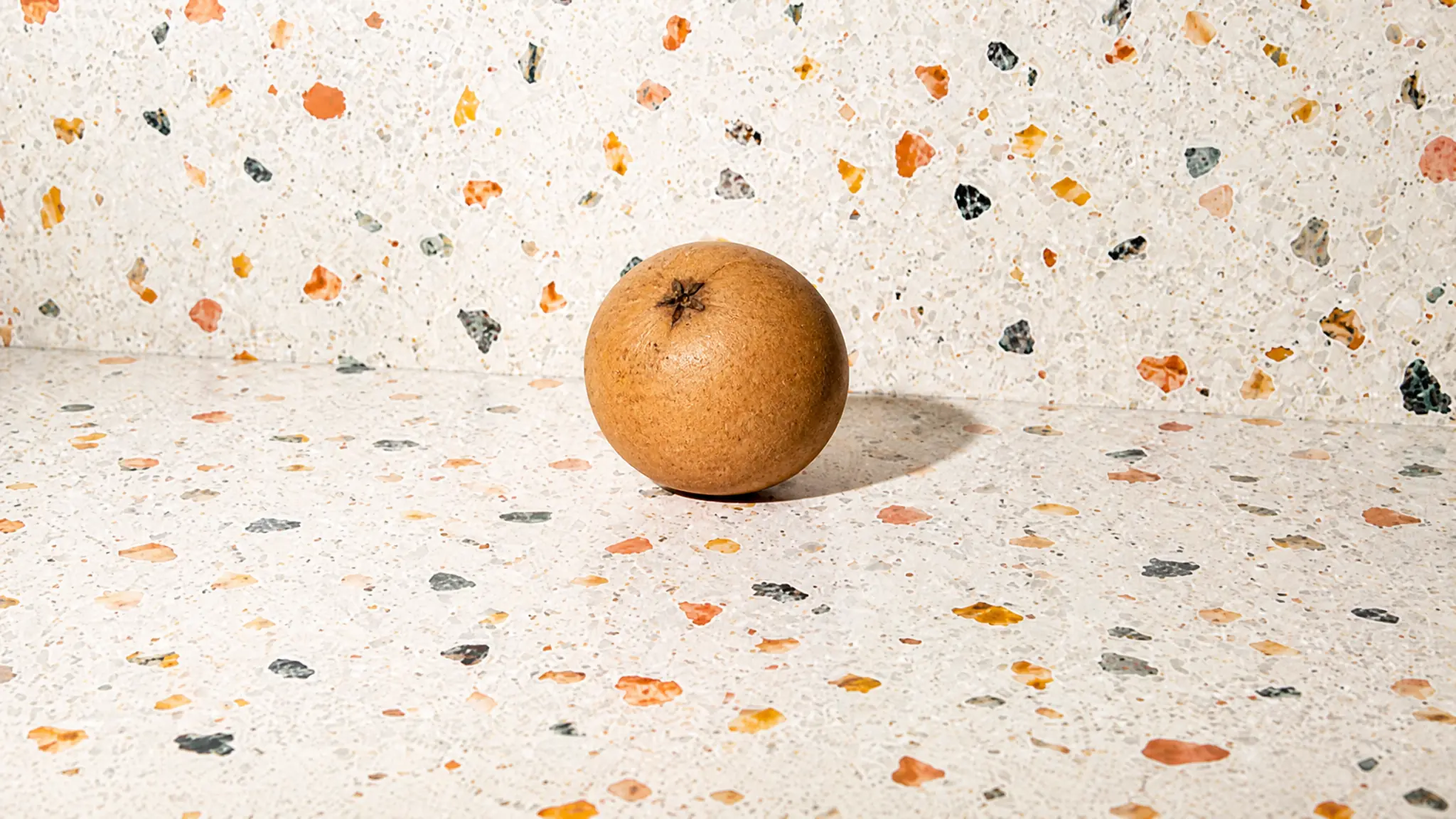
Sapodilla
Fruit
Last updated July 5, 2026. The Tummi Food Team maintains this Can I Feed This safety guide guide. Supporting links appear in Sources when available.



Clinically reviewed by Andria Procopio and Arefa Mohamed
Direct answer
Can babies eat Sapodilla?
Yes, babies can eat sapodilla starting around 6 months, when they are ready to begin solids, ensuring it's ripe, peeled, and void of seeds.
- Serve Age6+months
Most babies start solids around 6 months once they show readiness signs. Match the texture and serving size to your baby's skills.
- No Allergens
Sapodilla is not flagged as one of the major allergens tracked in this database. Still watch your baby closely when serving any new food.
- Choking Risk123455
Higher choking risk. Watch the prep steps closely, especially because this food can be small and round, hard, and slippery.
This guide is for everyday food prep questions. Ask your pediatrician about medical concerns, feeding delays, allergy plans, or serious reactions.
How Do You Serve Sapodilla?
How to serve Sapodilla to babies 6 months and older
- 1Peel and remove the large seed completely, then cut ripe sapodilla into finger-length spears or small wedges so baby can grasp and take small bites.
- 2Cut pieces about 2–3 cm wide (fingertip thickness) and offer only very soft, ripe fruit — choking risk if pieces are too firm.
- 3If pieces are slippery, lightly coat with finely ground nuts (only if no allergy), coconut flakes, or roll in mashed banana; alternatively mash or puree and stir into porridge or yogurt for scoopable textures.
- 4Always supervise during eating and introduce sapodilla on its own first to watch for any reaction; discard any pieces with seeds or fibrous strands.
How to serve Sapodilla to babies 9 months and older
- 1Peel sapodilla and remove all seeds and any stringy fibers so the flesh is smooth and easy to swallow.
- 2Cut into peeled quarters or spears for practice. Offer small, bite-sized cubes about 1 cm for independent picking—choose soft, ripe fruit.
- 3To improve grip, lightly roll small pieces in finely ground coconut, crushed cereal, or ground seeds; avoid whole nuts to reduce choking risk.
- 4Always supervise during meals and only offer self-feeding pieces once the child reliably uses a pincer grasp; check for family nut allergies before using nut-based coatings.
How to serve Sapodilla to babies 12 months and older
- 1Cut sapodilla into small, soft, bite-sized pieces — about fingertip-sized so the flesh yields easily when pressed.
- 2Remove all seeds and any tough center; if serving halves, scoop the flesh into the skin so the child can self-feed with a spoon.
- 3Demonstrate how to hold an age-appropriate fork or spoon and show a gentle scooping or stabbing motion, then supervise while they eat.
- 4Press a piece with a fork to confirm softness before serving and avoid large wedges or whole fruit to reduce choking risk.
How to serve Sapodilla to babies 24 months and older
- 1Select ripe sapodillas that give slightly to gentle pressure and discard any with off smells or mold.
- 2For smoothies: peel and remove seeds, then blend the flesh with coconut milk and a tart ingredient (e.g., yogurt, kiwi, or berries) to balance sweetness — start with equal parts sapodilla and coconut milk and thin with water if needed.
- 3As finger food: cut peeled fruit into halves, quarters, or long spears and remove seeds before serving.
- 4Only offer pieces with seeds intact if the child reliably chews; coach them to spit seeds out and supervise closely while eating.
- 5Store pureed or cut sapodilla in an airtight container in the fridge for up to 24 hours, or freeze puree in ice-cube trays for smoothies.
Is Sapodilla a Common Allergen?
Sapodilla is not a common food allergen, but rare IgE‑mediated reactions and cases of oral allergy syndrome have been reported. People with pollen allergies or latex‑fruit cross‑reactivity could be at slightly higher risk. For infants and young children remove and discard seeds (they’re a choking hazard and may be toxic) and introduce small amounts while watching for any hives, swelling, vomiting, or breathing difficulty. If a reaction occurs, seek medical care promptly.
Is Sapodilla a Choking Hazard?
High Choking Risk
Ripe sapodilla is generally low risk for choking when the hard seeds are fully removed, but the seeds and unripe, firm fruit can be dangerous. Always remove seeds completely and keep baby within arm’s reach during meals so you can intervene quickly if needed. Know the signs of choking and have a plan for choking first aid before offering sapodilla.
Have More Questions?
Yes. Sapodilla is safe for babies when seeds are removed and it is served in an age-appropriate, mashed or pureed form.
Yes. You can store leftover sapodilla in an airtight container in the refrigerator for up to 24 hours, but it’s best served fresh for optimal taste and nutrition.
It depends. Organic sapodilla may be fresher and free from pesticides, but conventional fruit is also safe; just ensure proper washing and handling.
Yes. Combining sapodilla with other fruits like banana or mango can create varied flavors and textures, making it more appealing and nutritious for your baby.
It depends. Portion sizes should start small—about 1-2 teaspoons—and gradually increase as your baby shows interest and tolerates the food.
Save Sapodilla to your food log
Track foods, reactions, and prep notes in Tummi when you want to keep your baby's feeding history in one place.
Sources
- Acute toxicity of seeds of the sapodilla (Achras sapota L.) doi.org
- Characterization and gene cloning of an acidic thaumatin-like protein (TLP 1), an allergen from sapodilla fruit doi.org
- Identification and characterization of a basic thaumatin-like protein (TLP 2) as an allergen in sapodilla plum doi.org
- Oral allergy syndrome doi.org
What Other Fruit Can Babies Eat?
See all →


Source-Linked Guidance
See the evidence behind the guide.
Food guides show direct links to public-health guidance and research when supporting references are available. Source inclusion does not imply endorsement.
 Centers for Disease Control and Prevention
Developmental milestones, nutrition guidelines, and allergen introduction timelines.
 American Academy of Pediatrics
Evidence-based feeding recommendations from the leading pediatric authority.
 National Institutes of Health
Peer-reviewed research on infant nutrition, allergies, and food safety.