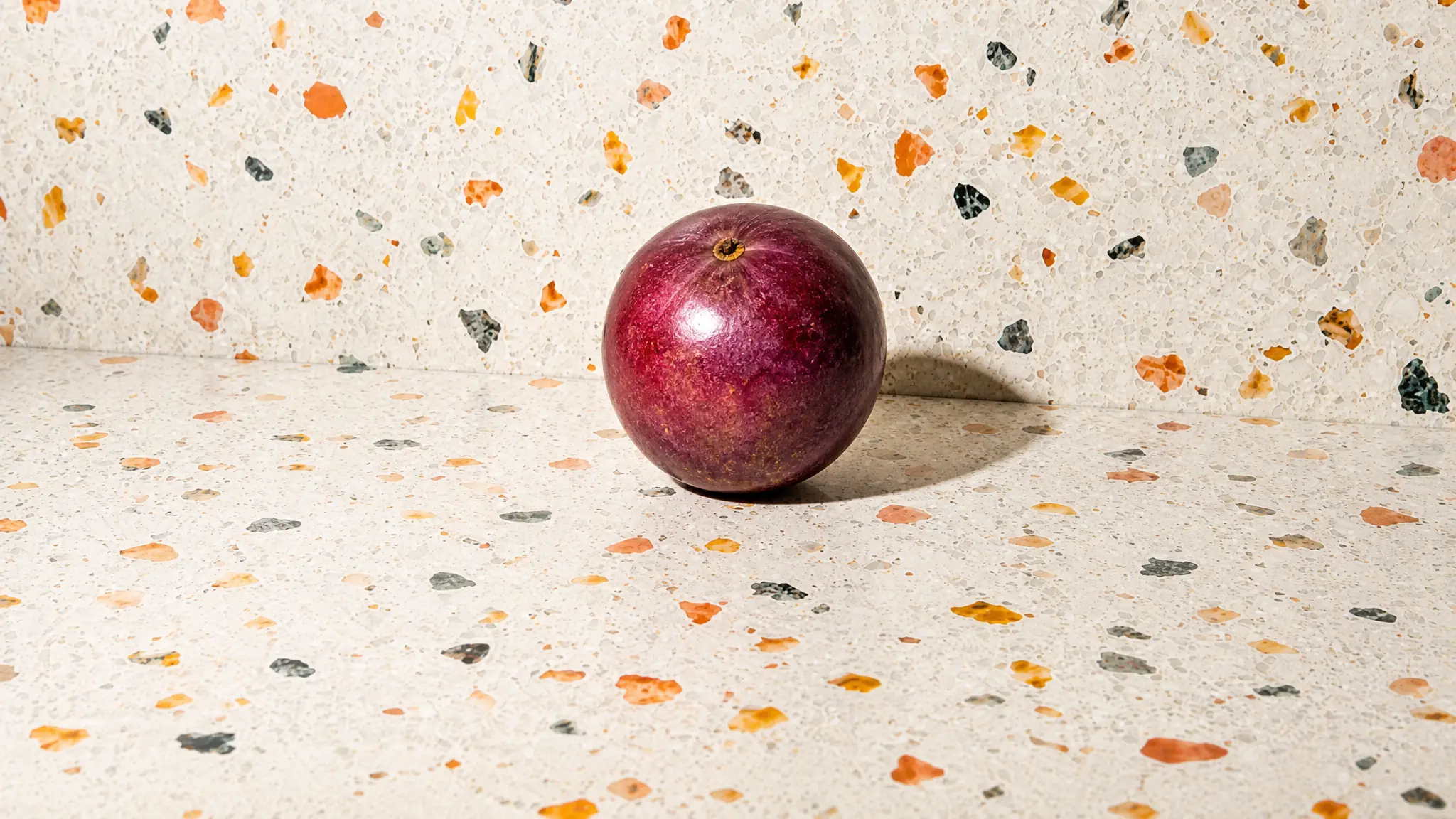
Star Apple (Caimito)
Fruit
Last updated July 5, 2026. The Tummi Food Team maintains this Can I Feed This safety guide guide. Supporting links appear in Sources when available.



Clinically reviewed by Andria Procopio and Arefa Mohamed
Direct answer
Can babies eat Star Apple (Caimito)?
Yes. Star apple can be offered from around 6 months, once the baby is developmentally ready for solids. Remove the skin and all seeds, and offer very ripe, soft flesh mashed or in a shape and texture suited to the baby's eating skills.
- Serve Age6+months
Most babies start solids around 6 months once they show readiness signs. Match the texture and serving size to your baby's skills.
- No Allergens
Star Apple (Caimito) is not flagged as one of the major allergens tracked in this database. Still watch your baby closely when serving any new food.
- Choking Risk123453
Some choking risk. Use the prep section to change the size, shape, or texture before serving.
This guide is for everyday food prep questions. Ask your pediatrician about medical concerns, feeding delays, allergy plans, or serious reactions.
How Do You Serve Star Apple (Caimito)?
How to serve Star Apple (Caimito) to babies 6 months and older
- 1Choose a very ripe, soft star apple (caimito); wash, peel completely and remove all seeds and any stringy bits.
- 2Cut into a long wedge or thick slice the baby can hold; remove all skin and seeds so the flesh will mash easily between fingers.
- 3For self-feeding: offer the piece as-is so baby can hold and mash the soft flesh with their gums — supervise closely while they eat.
- 4For spoon-feeding: mash the de-seeded flesh until smooth and serve alone or stirred into yogurt, porridge, or softened cereal to make scooping easier.
- 5Always supervise feeding and check temperature; stop and seek help if the baby gags, has difficulty breathing, or shows signs of an allergic reaction.
How to serve Star Apple (Caimito) to babies 9 months and older
- 1Choose a fully ripe star apple (soft but not mushy); peel and remove all seeds, then cut into small, bite-sized pieces about the size of a pea or small grape so baby can pick them up.
- 2If pieces are slippery, toss them lightly in finely ground nuts (only if no allergy risk) or shredded coconut to add texture and grip.
- 3For easier feeding, offer a supervised larger half for finger-feeding, or mash the fruit and mix into yogurt, porridge, or mashed vegetables to make scoopable food.
- 4Always supervise during eating and ensure pieces are soft enough to squish between your thumb and forefinger to reduce choking risk.
How to serve Star Apple (Caimito) to babies 18 months and older
- 1Cut the fruit in half and remove the skin and any seeds; discard seeds completely.
- 2Loosen the flesh from the skin using a spoon or small knife, keeping the flesh in the half-shell so the child can practice scooping.
- 3Offer either small, bite-sized pieces of the flesh or give the half-shell for spoon-scooping practice; supervise closely while they eat.
- 4Double-check for any missed seeds and trim large pieces into safer, small bites before serving.
Is Star Apple (Caimito) a Common Allergen?
Star apple (caimito) is not a common allergen for most children, but its skin and sap contain latex-like substances that can cause contact irritation. People with natural rubber latex allergy or oral allergy syndrome to certain fruits may be at higher risk of reactions. Introduce the fruit slowly, watch for hives, swelling, vomiting, or breathing problems, and seek urgent care for any severe symptoms.
Is Star Apple (Caimito) a Choking Hazard?
Moderate Choking Risk
Ripe, soft star apple with all seeds removed presents a low choking risk, but any food can pose a choking hazard. Always stay within arm’s reach and closely supervise your baby during meals, and be prepared to respond if you notice signs of choking. If you’re unsure about your child’s readiness, consult your pediatrician and consider taking an infant choking first‑aid class.
Have More Questions?
Star apple can be offered from around 6 months, once your baby is developmentally ready for solids. Remove the skin and all seeds, and make sure the ripe flesh has a texture and shape suited to your baby's eating skills.
Star apple can be one of the fruits offered as part of a varied diet once your baby is developmentally ready for solids. Remove the skin and all seeds, and serve the ripe flesh in a texture and shape suited to your baby's eating skills.
No. Allergies to star apple are rare, but latex sensitivities might cause reactions; handle with gloves if your baby has latex allergies.
Star apple can still pose a choking risk. Remove the skin and all seeds, offer only ripe, soft flesh in a shape and texture suited to your baby's eating skills, and supervise your baby while eating.
You don't need special utensils; serve the fruit on a plate or bowl and let your baby explore with their hands, possibly introducing a spoon or fork later.
Save Star Apple (Caimito) to your food log
Track foods, reactions, and prep notes in Tummi when you want to keep your baby's feeding history in one place.
Sources
What Other Fruit Can Babies Eat?
See all →



Source-Linked Guidance
See the evidence behind the guide.
Food guides show direct links to public-health guidance and research when supporting references are available. Source inclusion does not imply endorsement.
 Centers for Disease Control and Prevention
Developmental milestones, nutrition guidelines, and allergen introduction timelines.
 American Academy of Pediatrics
Evidence-based feeding recommendations from the leading pediatric authority.
 National Institutes of Health
Peer-reviewed research on infant nutrition, allergies, and food safety.